
Peroneal Tendonitis Treatment: PRP Injections and Regenerative Medicine
Specialist Orthopaedic and Regenerative Medicine Clinics in Valencia, Alicante and Castellón
✓ Specialist assessment of peroneal tendonitis, tendinopathy and ankle tendon injuries
✓ Ultrasound-guided platelet-rich plasma (PRP) injections for selected patients
✓ Personalised regenerative medicine and non-surgical treatment options
Are you experiencing persistent pain on the outside of your ankle, swelling or discomfort when walking, running or playing sport? At Regenerat Clínica, our orthopaedic and regenerative medicine specialists assess whether ultrasound-guided platelet-rich plasma (PRP) injections, targeted rehabilitation or other non-surgical treatments may be appropriate for your peroneal tendon injury. Explore personalised options to help manage pain and restore ankle function. Book your specialist assessment.
Peroneal tendonitis, also known as peroneal tendinopathy, affects the tendons running along the outside of the ankle and foot. It can cause lateral ankle pain, swelling, tenderness and discomfort during walking, running or sporting activities, sometimes making it difficult to remain active.
For patients with persistent symptoms, regenerative medicine and non-surgical treatments may be considered alongside appropriate rehabilitation. The suitability of PRP injections for peroneal tendinopathy depends on the underlying injury, previous treatment and the available clinical evidence.
Peroneal Tendinopathy Treatment: PRP Injections and Non-Surgical Options
Have you been diagnosed with peroneal tendonitis, peroneal tendinopathy or a peroneal tendon injury and would like to explore regenerative medicine treatments?
Do you experience persistent pain or swelling on the outside of your ankle when walking, running or climbing stairs?
Have physiotherapy, rest, medication or previous treatments failed to provide sufficient relief?
Would you like to know whether ultrasound-guided PRP injections may be appropriate for your peroneal tendon condition?
Are you considering ankle surgery and would like a specialist opinion about regenerative medicine and non-surgical alternatives?
At Regenerat Clínica, our orthopaedic specialists in peroneal tendonitis and regenerative medicine provide personalised assessments of chronic peroneal tendinopathy and associated ankle injuries. We evaluate whether platelet-rich plasma (PRP) injections, ultrasound-guided procedures, targeted rehabilitation or other conservative treatments may be appropriate, prioritising non-surgical options whenever clinically reasonable.
Our specialists combine clinical examination, musculoskeletal ultrasound where indicated and personalised treatment planning to assess the affected tendons, identify associated injuries and determine the most suitable treatment approach.
Depending on the diagnosis, treatment may include progressive strengthening, load management, physiotherapy, orthotic support or selected ultrasound-guided PRP injections. Evidence supporting PRP specifically for peroneal tendinopathy remains limited, and tendon healing or symptom relief cannot be guaranteed.
For patients with significant peroneal tendon tears, tendon instability or persistent functional limitations, we also assess whether further investigations or surgical treatment may be necessary.
Our aim is to reduce lateral ankle pain, improve tendon function and restore ankle stability and mobility, helping patients return to everyday activities and sport through personalised treatment.
We welcome patients seeking peroneal tendonitis treatment, peroneal tendinopathy specialists and regenerative medicine for ankle tendon injuries in Valencia, Alicante and Castellón, with consultations available at our clinics in Catarroja, Torrent, Gandía, Castellón de la Plana and Elche.
Book an Appointment

Specialists in peroneal tendonitis treatment in Valencia
I am Miguel Alfonso Porcar, orthopedic surgeon and traumatologist of recognized prestige.
At Regenerat Traumatology Clinic we are specialists in the diagnosis and treatment of peroneal tendinitis.
Our objective is to:
- Determine the cause of your peroneal tendonitis.
- Perform appropriate diagnostic tests to determine the extent of your condition,
- and apply the treatment of regenerative traumatology or orthopedic surgery to relieve your pain so that you can recover your wellbeing as soon as possible.
We don’t just focus on reducing pain, we treat the cause of your tendonitis.
This will ensure that your tendonitis heals and is less likely to recur.
We aim to help our patients by using the safest, most successful, and least invasive treatments possible!

English-Speaking Orthopedic Doctor for International Patients
Dr Carlos Mairal, an orthopedic surgeon and trauma specialist in regenerative medicine, provides medical care in English for international patients.
If you are looking for cutting-edge treatment for musculoskeletal injuries, osteoarthritis, or tendinopathies and prefer to communicate in English, Dr Mairal will offer you personalised care in a professional and welcoming environment.
Book your appointment today and receive expert care from an English-speaking orthopedic doctor.

What is peroneal tendonitis?
Peroneal tendinopathy is a condition that usually causes pain around the outside of the ankle or foot, which is relieved by rest and worsens with activity, such as walking, running and jumping.
Treatment of peroneal tendinopathy in the early stages usually begins with exercises that can be performed at home.
What are the peroneal tendons?
The peroneal tendons are located on the outside of the ankle joint.
They play an important role in stabilizing the ankle joint, contribute to strength by pushing on the ankle/foot and also allow the ankle to rotate outward (eversion).
There are three peroneal tendon muscles, called peroneus brevis, peroneus longus and peroneus tertius. The latter is rarely injured.
- The other two tendons can be injured in the setting of a severe ankle sprain.
- Most often, tendons become inflamed as a result of overuse or training error.
- In middle-aged and elderly active patients, the tendon may degenerate and be prone to rupture.
The main function of the peroneals is to provide stability to the ankle when walking, and to prevent it from falling on the ankle causing an ankle sprain.
If these muscles are weak or overused, the tendons have to work much harder.

Causes of peroneal tendonitis
The main causes are those derived from sports and the anatomical or genetic causes of the patient.
Sports that cause overuse of these tendons can result in small injuries to the tendon fibers that can cause pain.
Repetitive stress and microtrauma cause the normal healing ability to slow down, which can result in injuries occurring to the tendon at a faster rate than the body can heal.
- Peroneal tendinosis or tendinitis is seen in patients who practice running sports, jumping and sudden stops such as tennis, paddle tennis, soccer or basketball.
- Spending long periods of time standing, walking or running, especially with a sudden increase in these activities.
- Poor exercise or training technique and lack of recovery between activities.
Other factors that contribute to the development of peroneal tendinopathy, specific to each patient, are:
- In middle-aged and elderly active patients, the tendon may degenerate and be prone to rupture.
- If the patient has a highly arched ankle foot (pes cavus valgus) this may predispose the patient to peroneal problems.
- Advanced age, overweight and diabetes have been associated with an increased risk of developing peroneal tendinopathy.
- Inflammatory diseases, such as rheumatoid arthritis, psoriatic arthritis, etc.
- Weakness and/or tightness in the muscles of the feet or legs.
- Wear unsupportive footwear, such as sandals.
- Prolonged use of oral corticosteroids and a certain family of antibiotics (fluoroquinolones).
- Previous surgeries/trauma to feet and ankles.
Symptoms of peroneal tendonitis
The most representative symptoms are pain and/or swelling around the outside of the ankle – above, behind or below the outer ankle bone.
- Pain on the outer edge or instep of the foot.
- Feeling of instability when walking and difficulty with uneven surfaces.
- Lack of balance on one leg on the affected side.
- Patients will present with acute or chronic onset of pain and swelling along the peroneal tendons.
- Tendons are usually tender to palpation and there is pain with loading activities.
- In patients with tendon instability, part of a torn tendon or the entire tendon is displaced out of place and is described as a painful snapping sensation when the tendon is displaced out of place (with eversion and dorsiflexion) and re-enters.
There is usually a gradual onset of symptoms with worsening of pain during activity.
Diagnosis of peroneal tendinopathy
For the diagnosis of peroneal tendonitis Dr. Miguel Alfonso Porcar will initially evaluate your medical history and then perform an examination of the lower calf, ankle and foot to look for symptoms associated with peroneal tendonitis.
He or she will also palpate the affected area to find the exact location of the pain or discomfort, which in some cases is accompanied by a clicking in the peroneals.
Subsequently, imaging tests may be ordered to confirm the diagnosis.
We will look for the causes that have caused the injury and through the use of ultrasound and MRI, we will see the current state of the tendons, checking if there are micro tears or partial ruptures, to determine the most appropriate type of treatment.
- X-ray to see the bones of the leg and foot to check for bone calcification.
- Ultrasound and/or MRI allow us to detect tendon ruptures, check the degree of tendon degeneration and rule out dislocations.
Treatment of peroneal tendonitis
There are many treatments for peroneal tendonitis; home remedies such as rest and anti-inflammatories, through steroid injections, platelet-rich plasma (PRP) injections and surgery.
Home treatments include reducing physical activity, applying ice, gentle stretching, strengthening the calf muscles, elevating the foot to reduce swelling, and taking anti-inflammatory drugs such as aspirin or ibuprofen to relieve pain.
Other non-surgical treatments for the treatment of peroneal tendonitis include:
- Unloading orthopedic insoles that allow the foot to heal naturally.
- Treatment with non-steroidal anti-inflammatory drugs(NSAIDs).
- Physiotherapy: our physiotherapist will design an exercise program for you after the rest phase.
Exercises that work the peroneal muscles help to improve and strengthen the area and reduce the risk of future injuries. - Shock wave treatment: sound waves are directed to the painful area to stimulate the healing process.
Footwear for peroneal tendinitis
To improve peroneal tendonitis, it is advisable to wear shoes that provide good support and stability to the peroneals. It is advisable to opt for sneakers with some heel, as this can improve the support of the peroneals and reduce the tension in this area.
It is important to avoid wearing flat, hard shoes that do not provide adequate support, as this can worsen the condition of the peroneal tendons.
Platelet Rich Plasma PRP Injections
When tendonitis is due to tendon degeneration processes, platelet-rich plasma therapy (abbreviated as PRP) is the regenerative treatment of choice.
It consists of infiltration with platelets extracted from your own blood, to activate the body’s natural repair and regeneration processes.
This biological therapy induces the mechanisms for healing, and is the treatment of choice for peroneal tendon pain caused by tendonitis, prior to surgery.
Peroneal tendinopathies surgery
Surgery is the last resort when non-surgical treatments do not provide the desired results in the treatment of peroneal tendinopathies.
The operation is an open procedure with an incision over the peroneal tendons and the tendon damage is assessed.
- If the tendon is torn, it can be repaired with sutures.
- If the cause is degeneration and inflammation, the pathological tissue is simply removed.
- If the tendon is unstable, in most cases the problem can be rectified by repairing the superior peroneal retinaculum, or SPR.
- On rare occasions, the groove behind the lateral malleolus, in which the peroneal tendons (brevis and longus) sit, has to be deepened to prevent the tendons from subluxing (moving out of place).
- Some patients have both a tendon tear and tendon instability.
Once the tendons are fixed and/or stabilized, the wound is closed with sutures and dressings are applied.
Why Clínica Regenerat to treat your peroneal tendinitis in Valencia?
Referents in the treatment of peroneal tendinitis in Valencia
In the field of treatment of peroneal tendinopathies, Regenerat clinic is your reference center.
Patient Testimonials
Our patients value our experience and multidisciplinary treatment.
We provide solutions that are not found in other clinics and hospitals, through regenerative treatments for tendinopathies, which in many cases avoid the need for surgery.
State-of-the-art technology
We are specialists in regenerative and cutting-edge less invasive ultrasound-guided treatments that relieve and in many cases eliminate your tendonitis, offering better health and quality of life.
Not Quite Ready to Book an Appointment?
If you think we can help, start by finding out whether you are a suitable candidate for treatment.
Take the first step. We’ll take care of the rest.
If you are experiencing pain and/or reduced mobility in your knee, hip, shoulder or other joints, our Regenerat clinics specialise in regenerative medicine treatments.
Our treatments aim to support the repair and regeneration of damaged or diseased cells and tissues, potentially delaying or, in some cases, avoiding surgical procedures such as arthroscopy or knee and hip replacement surgery.
Take the first step towards a more active life with less pain through Regenerative Medicine.
Tell us briefly about your symptoms, and we’ll help you understand the next steps.
If you prefer, discover the available treatment options, which conditions they may be suitable for and when it may be worth considering them.
Complete this form to download a guide covering the main regenerative medicine treatments we offer for different musculoskeletal conditions.
DOWNLOAD the Regenerative Medicine GUIDE that Alleviates your pain WITHOUT SURGERY!
"*" indicates required fields

Estoy encantada con todo el equipo que forman en la clínica. Concretamente y desde el principio, Ana me ha atendido siempre con mucho cariño y profesionalidad. En cuanto al doctor Miguel, lo recomiendo al 100%. Llegué con un dolor muy grande de cervicales. El tratamiento a seguir, junto con las sesiones de rehabilitación y todos sus consejos, han valido mucho la pena. Estoy feliz y recuperada.
Recomiendo la clínica, estoy muy contenta.
Gracias por todo.


Causes of foot – ankle pain
Anyone can be at risk for foot or ankle pain, as it can result from injury or everyday wear and tear.
Some factors can increase the likelihood of a person suffering from foot and ankle pain include the following:
- Ankle osteoarthritis: Occurs when the surface of the cartilage of the ankle begins to wear away. This causes inflammation, stiffness and pain in the joint.
- Achilles tendinitis treatment: For the inflammation of the Achilles tendon, which can be very painful. In the absence of treatment, it becomes a long-term chronic problem that makes walking difficult.
- Peroneal tendinopathy:Peroneal tendonitis causes pain on the outside of the foot and leg when walking or running. Peroneal tendonitis is rare and is caused by overuse that affects athletes, such as runners and long distance runners.
- Injections for plantar fasciitis: Plantar fasciitis is a degenerative disease of the thick band of tissue (fascia) on the bottom of the foot, which runs from the heel to the toes.
- Bunions: mainly affect women due to the use of narrow shoes or heels. They manifest as painful bumps on the big toe. When the pain is persistent or the deformity is severe, the percutaneous bunion operation percutaneous bunion operation is the best solution.
- Other foot and ankle conditions: calcaneal spur treatment without surgery…
Peroneal Tendonitis Treatment Specialists in Valencia, Castellón and Alicante
Specialists in Peroneal Tendinopathy, PRP Injections and Regenerative Medicine
At Regenerat Clínica, we assess peroneal tendonitis, chronic peroneal tendinopathy and persistent pain on the outside of the ankle to identify the underlying condition and determine the most appropriate treatment for each patient.
Our orthopaedic and regenerative medicine specialists evaluate peroneus brevis and peroneus longus tendon injuries, tendon degeneration and associated ankle instability. We consider personalised treatments including ultrasound-guided platelet-rich plasma (PRP) injections, targeted physiotherapy and progressive tendon rehabilitation, where clinically appropriate.
We have five clinics in Catarroja, Torrent, Gandía, Castellón and Elche. We also welcome patients from surrounding areas, including Dénia, Jávea, Torrevieja, Vila-real, Burriana, Aldaia and Alaquàs.
We have five clinics in Catarroja, Torrent, Gandía, Castellón and Elche, providing specialist orthopaedic assessments and minimally invasive treatment options. We also welcome patients from surrounding areas, including Dénia, Jávea, Torrevieja, Vila-real, Burriana, Aldaia and Alaquàs.
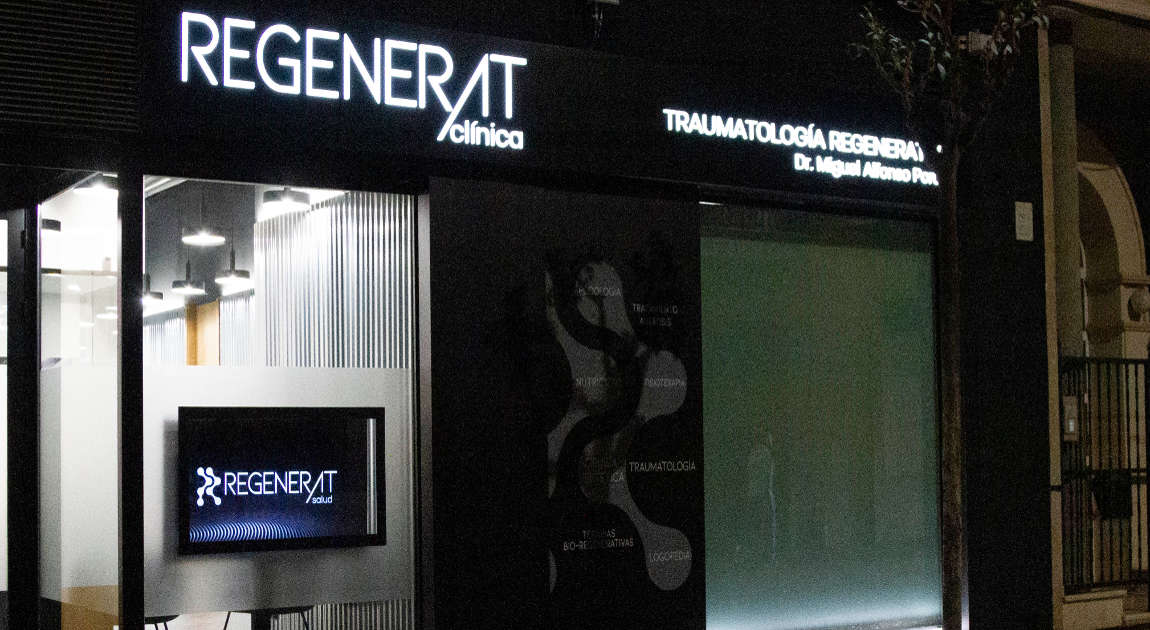
Book a personalised assessment with our peroneal tendonitis specialists in Catarroja. We assess chronic peroneal tendinopathy, lateral ankle pain and associated tendon injuries, considering ultrasound-guided PRP injections and non-surgical treatments where clinically appropriate.
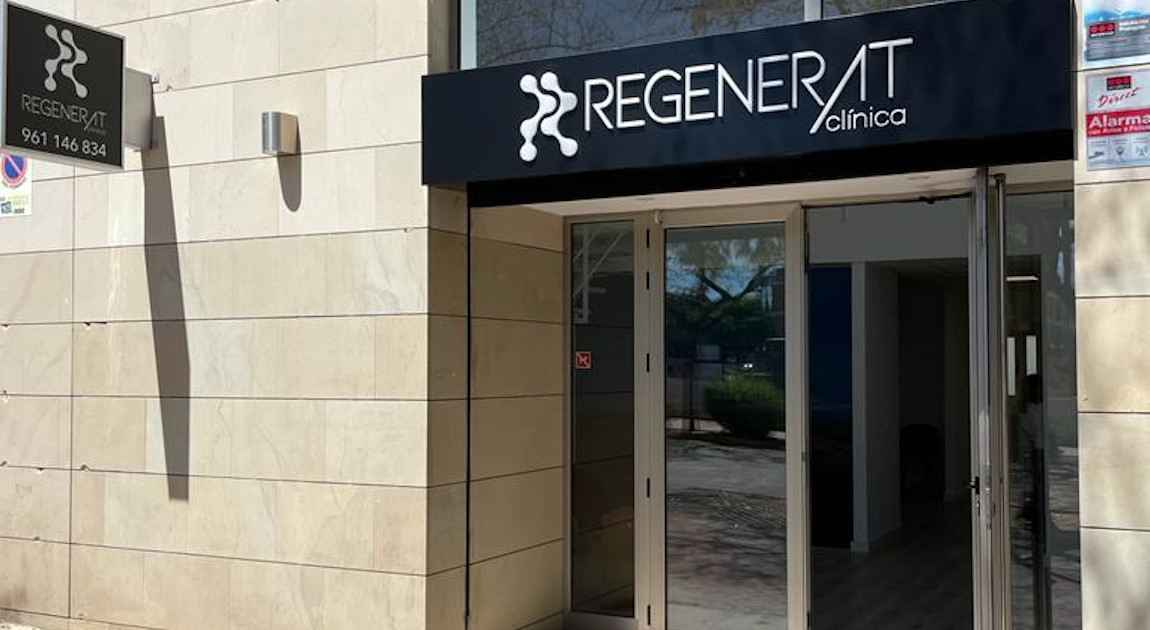
At our orthopaedic and regenerative medicine clinic in Torrent, we assess peroneal tendonitis, persistent outer ankle pain and tendon degeneration. We also welcome patients from Aldaia, Alaquàs and nearby towns seeking personalised PRP treatment and rehabilitation for ankle tendon injuries.
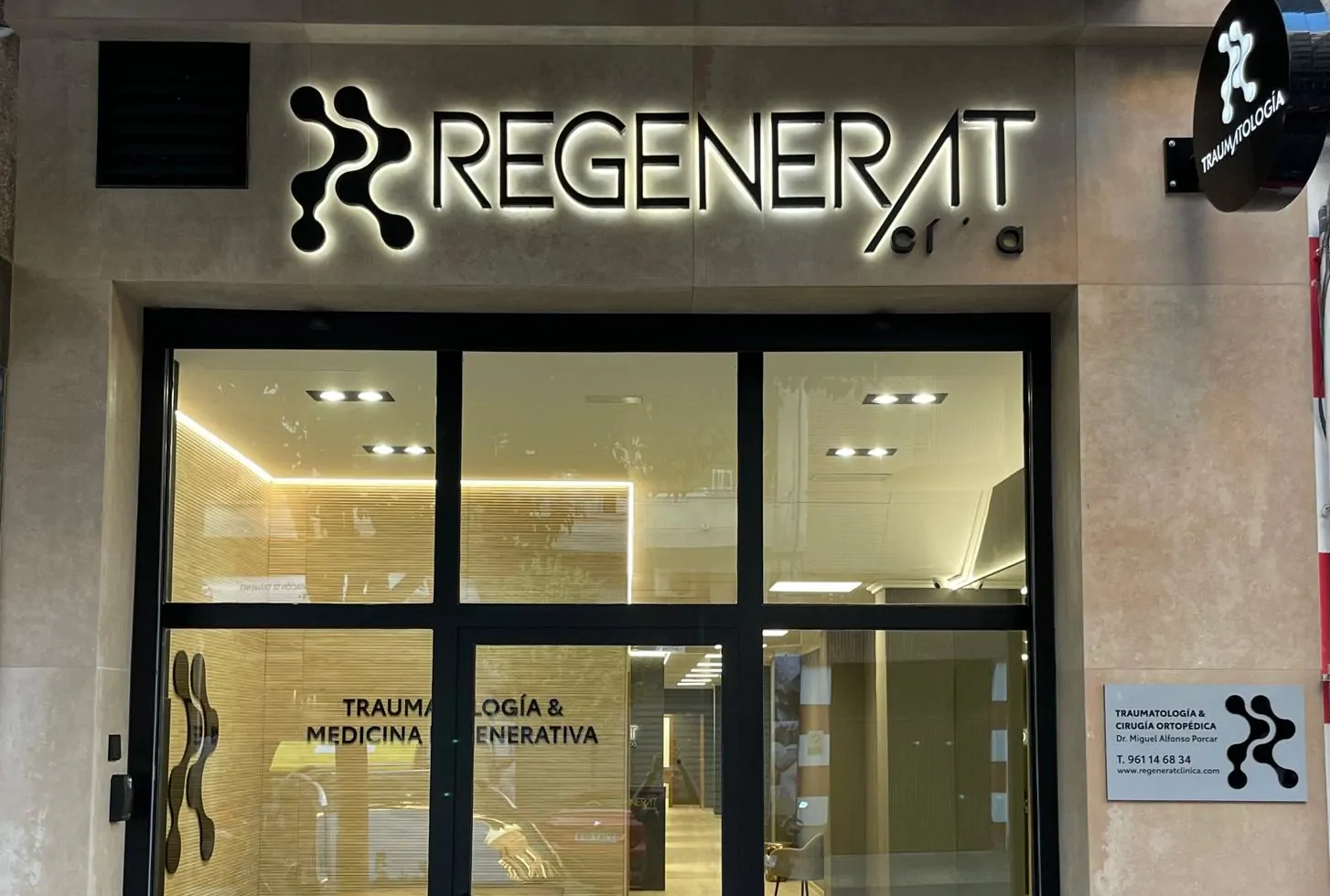
Book an assessment at our peroneal tendonitis treatment clinic in Gandía. We assess chronic peroneal tendinopathy and persistent lateral ankle pain, exploring ultrasound-guided PRP injections where appropriate. We also welcome patients seeking specialist peroneal tendon treatment near Dénia and Jávea.
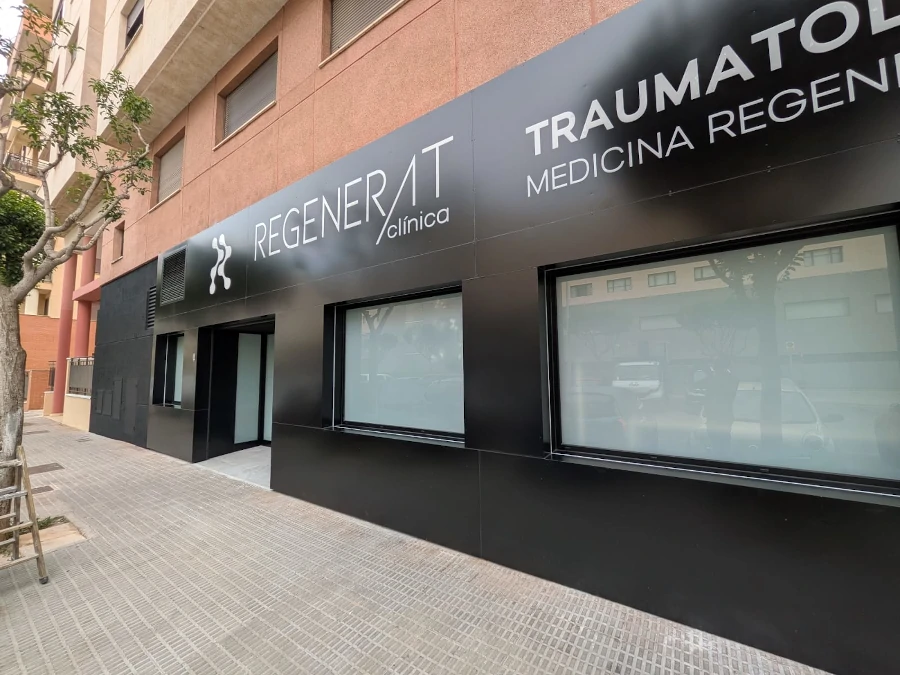
At our orthopaedic and regenerative medicine clinic in Castellón, we assess peroneal tendonitis, chronic tendon pain and ankle instability, considering ultrasound-guided PRP injections and personalised rehabilitation where appropriate. We also welcome patients seeking PRP treatment for peroneal tendinopathy near Vila-real and specialist peroneal tendonitis treatment near Burriana.
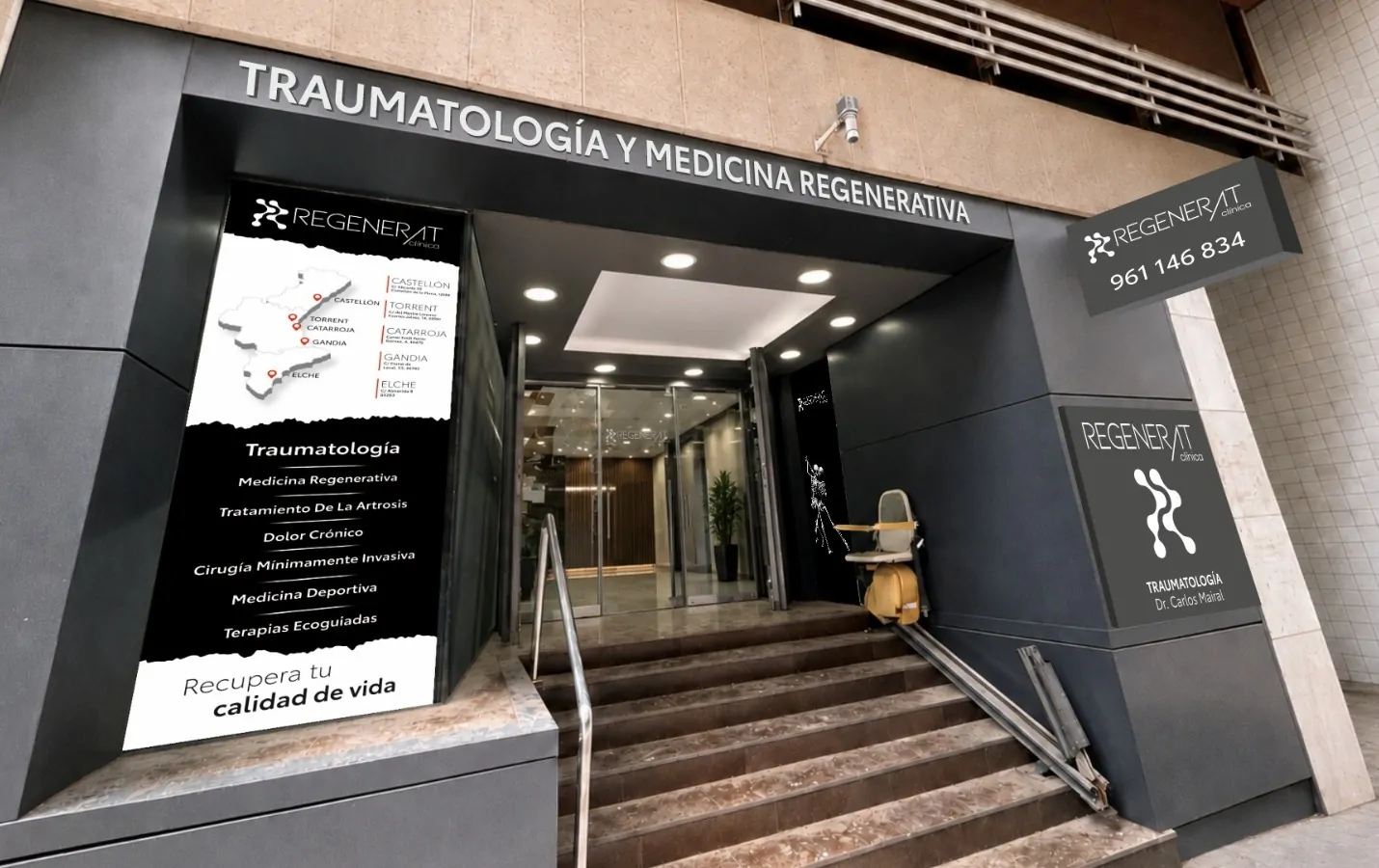
Book a personalised assessment with our peroneal tendonitis and regenerative medicine specialists in Elche. We assess persistent lateral ankle pain, chronic peroneal tendinopathy and associated tendon injuries, exploring ultrasound-guided PRP injections and non-surgical treatment where clinically appropriate. We also welcome patients seeking peroneal tendinopathy treatment near Torrevieja.
Struggling with Peroneal Tendonitis? Explore PRP and Regenerative Medicine Treatments
Tell us how long you have been experiencing ankle pain, where the discomfort is located, whether you have had an ultrasound or MRI scan, which treatments you have already tried and which clinic you would prefer to visit. We will help you arrange a personalised orthopaedic assessment and explain the available treatment options, their potential benefits, limitations and costs. Take the first step towards improving ankle function and returning to your everyday activities.
Contact information
☎ 961 146 834
info@regeneratclinica.com
Schedule
Mornings – 9:30am – 14:00pm
Afternoons – 16:00pm – 20:00pm
Saturday & Sunday – Closed
Clínic in Catarroja
Traumatólogo en Catarroja en Carrer Emili Ferrer Gómez, 4, 46470 Catarroja
Clínic in Torrente
Traumatólogo en Torrente en C/ del Mestre Lorenzo Fuertes Julvez, 14, 46901, Torrente
Clínic in Gandía
Traumatólogo en Gandía C/ Ciutat de Laval, 23, 46702 Gandia, Valencia
Clínic in Castellón
Traumatólogo en Castellón Carrer d’Alacant, 39, 12004 Castelló de la Plana
Clínic in Elche
Traumatólogo en Elche C/ Almòrida, 8, 03203 Elx, Alicante

