
Patellar Chondromalacia Treatment Specialists: Grades 1, 2, 3 and 4
Clinics in Valencia, Catarroja, Torrent, Gandía, Castellón and Elche
✓ Assessment of patellar cartilage damage and severity
✓ Personalised treatments for patellar chondromalacia
✓ First appointment available this week*
Tell us about your knee symptoms and how long you have been experiencing them. We will assess your condition and offer you the earliest available appointment at the clinic most convenient for you.
Patellar chondromalacia (chondromalacia patellae) is a condition affecting the cartilage on the underside of the kneecap. It can cause pain at the front of the knee, discomfort when climbing or descending stairs, squatting, running or sitting for prolonged periods.
The condition can be classified into different grades according to the extent of cartilage damage. Therefore, patellar chondromalacia treatment should be tailored to the severity of the cartilage changes, the patient’s symptoms and their individual circumstances.
Patellar Chondromalacia Treatment by Grade
Have you been diagnosed with grade 1, 2, 3 or 4 patellar chondromalacia?
Do you experience pain behind or around your kneecap when climbing stairs, exercising or bending your knee?
Have you noticed clicking, grinding sensations, stiffness or discomfort after sitting for long periods?
Would you like to explore the available treatment options before considering more invasive procedures?
Grade 1 patellar chondromalacia generally involves early changes in the cartilage, while grades 2 and 3 indicate progressively more significant cartilage deterioration. In grade 4 chondromalacia, there may be substantial cartilage loss with exposure of the underlying subchondral bone.
At Regenerat Clínica, we assess patellar chondromalacia according to its grade to develop a personalised treatment plan aimed at reducing pain, improving knee function and protecting the joint.
Our orthopaedic specialists in knee and cartilage injuries carry out a comprehensive clinical examination and review the necessary diagnostic imaging to assess the extent of patellofemoral joint damage and rule out other potential causes of anterior knee pain.
Depending on the diagnosis, patellar chondromalacia treatment may include activity modification, targeted physiotherapy, muscle strengthening, biomechanical assessment and management, ultrasound-guided injections, hyaluronic acid, platelet-rich plasma (PRP) and other biological treatments where clinically indicated.
In more advanced cases, particularly grade 3 or 4 patellar chondromalacia, we provide an individual assessment to determine whether conservative treatment remains appropriate or whether other therapeutic options should be considered.
Our aim is to identify the most appropriate treatment for each grade of patellar chondromalacia, relieve symptoms and preserve knee function for as long as possible.
We welcome patients seeking patellar chondromalacia treatment in Valencia, Alicante and Castellón, with consultations available at our clinics in Catarroja, Torrent, Gandía, Castellón de la Plana and Elche.
Book an Appointment

Specialists in the treatment of chondromalacia patellae by grade without surgery
I am Miguel Alfonso Porcar recognized specialist in the treatment of chondromalacia patella and chondropathy with bioregenerative therapies of platelet-rich plasma, growth factors, autologous serum rich in cytokines …
At Regenerat Traumatology Clinic we are specialists in the diagnosis and treatment of the main ailments and knee injuries.
Our goal is to determine the cause of your knee pain, perform diagnostic tests to determine the extent of your knee ailment or injury.
Once the diagnosis is known, we will apply the most appropriate treatment of regenerative traumatology or orthopedic surgery to relieve your pain so that you can recover your wellbeing as soon as possible.
We want to help our patients using the safest, most successful, least invasive and most economical treatments possible!

English-Speaking Orthopedic Doctor for International Patients
Dr Carlos Mairal, an orthopedic surgeon and trauma specialist in regenerative medicine, provides medical care in English for international patients.
He specializes in the technique of ultrasound-guided infiltrations using platelet-rich plasma for the treatment of degenerative diseases such as patellar chondromalacia and osteoarthritis in knees, hips, shoulders, and other joints.
If you are looking for cutting-edge treatment for musculoskeletal injuries, osteoarthritis, or tendinopathies and prefer to communicate in English, Dr Mairal will offer you personalised care in a professional and welcoming environment.
Book your appointment today and receive expert care from an English-speaking orthopedic doctor.

What is chondropathy or chondromalacia patella?
The knee joints are lined with a tissue called articular cartilage, which allows the bones of the joint to move smoothly against each other and cushions them during impact.
Over time, or because of an acute injury, that cartilage can begin to soften and break down in a condition called chondromalacia.
The ability of the cartilage to protect the bones of the joint is reduced, resulting in pain.
Although chondromalacia can occur in any joint in the body, it most commonly occurs in the underside of the kneecap, in a condition called chondromalacia patellae.

Causes of chondromalacia patellae
The causes of chondromalacia are multiple.
We can have the pathology without having an origin, just because of our own anatomy.
It is usually more frequent after overloading due to sports of great demand for the region(athletics, cycling, trail running, trail running,…), and more predisposing in those patients who already have a previous affection of the patella.
The most common causes of chondromalacia patella are as follows:
- Acute trauma of the patella.
- Fracture or dislocation of patella.
- Muscle imbalance in groups around the knee.
- Repeated steroid injections in the knee.
- Overloads and overuse, especially in athletes.
- Rheumatoid arthritis.
- Osteoarthritis.
- Hereditary factors.
- Misalignment or imbalance caused by alterations in neighboring joints (hip, ankle, foot).

What are the symptoms of chondromalacia patella?
The symptoms of a cartilage defect are not proportional to the size of the damage, i.e. a small lesion may cause a lot of pain, or vice versa.
Pain in the patella or knee joint noises, swelling and limitation of motion may be felt .
This pain occurs during movement, especially in flexion such as squatting, when descending slopes or stairs and peculiarly the pain may increase after prolonged sitting with the knee semi-flexed (for example, in the cinema) and even leave the knees stiff.
The professional usually finds a painful palpation in the external border of the patella, that is why this pathology is called external patellar hyperpressure syndrome.
- Chondromalacia can also cause the knee joint to “catch,” meaning that it suddenly has difficulty moving beyond a certain point.
- It can also cause the knee to give way unexpectedly. These symptoms are most often associated with repeated knee flexion over a short period of time.
Grades of knee chondromalacia
Chondromalacia patella grade 1
Mild pain due to softening of the cartilage. Mild symptoms of pain that usually occur due to some position, or exercise, or climatic changes.
Chondromalacia patella grade 2
More intense pain, due to a small fibrillation of the cartilage that lasts over time, and it is possible to visualize the wear and tear through magnetic resonance imaging.
Chondromalacia patella grade 3
More intense pain, since the surface of the cartilage is fissured reaching the deepest layers of the cartilage and is accompanied by intense inflammation and with important changes of image.
Chondromalacia patella grade 4
Loss of articular cartilage, disabling and permanent joint pain, accompanied by inflammation and joint instability.
Diagnosis of chondromalacia and patellar chondropathy
Dr. Alfonso Porcar, expert in knee pathologies and injuries, diagnoses chondromalacia and patellar chondropathy.
A careful clinical history and the presence of the above symptoms may lead to the suspicion of chondropathy.
Confirmation can only be given by magnetic resonance imaging, as it shows whether the cartilage layer is thinner or whether it is completely eroded exposing the bone.
Ultrasound is also an option, although we will use it more frequently for treatment than for diagnosis.
In more advanced stages, diagnostic arthroscopy is a viable option. This procedure involves the insertion of small specialized instruments and a camera-called an arthroscope-through small incisions around the knee.
It allows your doctor to make sure you have chondromalacia patella while ruling out other injuries inside the joint.
Chondromalacia patella: Treatments
Non-surgical treatments are recommended for most cases of chondromalacia.
These treatments include:
- Strengthening exercises of the quadricipital and gemellar muscles (avoiding impact exercises).
- Orthoses (knee braces and functional bandages)
- Analgesics and/or anti-inflammatory drugs according to the medical history of each individual patient.
- Platelet-rich plasma infiltrations .
- Infiltrations of hyaluronic acid.
- Autologous conditioned serum. Q-rem cytokine.
When non-surgical treatments are no longer effective, surgical treatment is the last option.
Among them, we highlight arthroscopic surgery, although it is also possible to perform an open intervention and place prosthetic materials (more frequently in middle-aged patients).
Platelet Rich Plasma (PRP) chondromalacia patellae
Treatment with platelet-rich plasma improves symptoms and may even be curative.
Associated with a weight training program, it is used in young patients with femoropatellar pain (chondromalacia), and in patients in their 50s suffering from incipient osteoarthritis.
It is currently the treatment of choice in most degenerative pathologies, with very promising results.
Treatment of patellar chondropathy with hyaluronic acid infiltrations.
Intra-articular injection of high molecular weight hyaluronic acid stimulates the production of better quality synovial fluid, which helps protect the damaged joint. It generates an artificial cushion that protects the already damaged cartilage.
Hyaluronic acid injections may be the long-term solution you need. They are applied directly into the knee joint lubricating the joints, aiding bone and cartilage growth and reducing swelling.
It is commonly used in young patients with chondromalacia patella, improving their quality of life and slowing its progression.
Surgical treatment of chondromalacia patellae
Arthroscopic surgery begins with an examination of the joint to assess muscle and ligament imbalances in order to correct them if necessary.
This surgery consists of using a small camera that is introduced into the joint with a small incision so that the surgeon can see inside it.
Some people have chondromalacia because their kneecap is misaligned. This means that the kneecap does not sit correctly in its groove. A common procedure to fix this problem is lateral release.
Lateral release is usually performed arthroscopically.
It involves cutting some of the tight ligaments that pull on the patella to release the tension and allow proper movement and position.
Why Regenerat Clinic for the treatment of your chondromalacia knee in Valencia?
Knee pain referents in Valencia
In the field of treatment of knee pain and pathologies, Regenerat clinic is your reference center.
State-of-the-art technology
Ultrasound-guided ultrasound scanners that facilitate diagnosis. Cutting-edge, less invasive treatments that relieve and in many cases eliminate your knee pain in Valencia, offering better health and quality of life.
Patient Testimonials
Our patients value our experience and multidisciplinary treatment and care after hyaluronic acid or PRP injections for chondromalacia of the knee, eliminating pain and recovering your activity after treatment.
We provide solutions that are not found in other clinics and hospitals, through regenerative treatments for knee pain, which in many cases avoid the need for surgery.
You can watch the videos with patient’s opinions about the treatment, as well as the opinions of PRP infiltrations o plasma infiltrations.
Not Quite Ready to Book an Appointment?
If you think we can help, start by finding out whether you are a suitable candidate for treatment.
Take the first step. We’ll take care of the rest.
If you are experiencing pain and/or reduced mobility in your knee, hip, shoulder or other joints, our Regenerat clinics specialise in regenerative medicine treatments.
Our treatments aim to support the repair and regeneration of damaged or diseased cells and tissues, potentially delaying or, in some cases, avoiding surgical procedures such as arthroscopy or knee and hip replacement surgery.
Take the first step towards a more active life with less pain through Regenerative Medicine.
Tell us briefly about your symptoms, and we’ll help you understand the next steps.
If you prefer, discover the available treatment options, which conditions they may be suitable for and when it may be worth considering them.
Complete this form to download a guide covering the main regenerative medicine treatments we offer for different musculoskeletal conditions.
DOWNLOAD the Regenerative Medicine GUIDE that Alleviates your pain WITHOUT SURGERY!
"*" indicates required fields
me ofreció varios tratamientos y empecé hoy mismo por el hialuronico, dejando la puerta abierta a otros


Other pathologies treated by one of the best knee surgeons
Causes related to knee injuries include damage to parts of the knee, such as bones, cartilage, ligaments, tendons or muscles.
- Patellar tendonitis injections: Resulting from inflammation of the tendon that attaches the patella to the tibia. It is called jumper’s knee.
- Bursitis knee treatment with injections: Bursitis is the inflammation of the fluid-filled sacs or bursae that cushion the knee. It is usually a consequence of tendinitis.
- Arthritis stages in knee: Osteoarthritis occurs when joint cartilage wears away and causes pain, stiffness and swelling.
- Chondromalacia patellae: is the softening and loss of cartilage in the kneecap. It occurs in young and adult athletes suffering from knee arthritis.
- PRP injections for Bone marrow edema: Bone marrow edema is the inflammation or injury in the medullary zone of the knee, due to a contusion, with the appearance of microfracture and inflammation.
- Knee sprain treatment: Sprains are usually due to sports injuries.
- Meniscus tear: common in athletes, contact sports. In older people degenerative meniscus tears.
New opening Regenerat: Orthopedic surgeon in Gandía, Benidorm, Denia, Jávea, Calpe, Altea, La Nucia….
Specialists in Regenerative Medicine and Physiotherapy in Gandía
Call ☎ 961 146 834
Regenerat is a paediatric and adult trauma clinic, specialising in regenerative medicine treatments that delay and, in many cases, avoid orthopaedic surgery.
Our patients get an unbiased diagnosis and we offer you various surgical and non-surgical treatment options.
The most common pathologies treated at our medical center are osteoarthritis, back pain, tendon injuries, and sports injuries.
English-Speaking Orthopedic Doctor for International Patients
Serving patients from Gandia to Benidorm, including Dénia, Jávea, Altea, Calpe, La Nucía, and across Alicante: Expert care at our Gandia clinic.
We are located at C/ Ciutat de Laval, 23, 46702 Gandia, Valencia, Spain.
Book an Appointment at Our Clinics

If you prefer, leave us your details and we will contact you as soon as possible.
Chondromalacia Patellae Treatment Specialists
Specialists in Regenerative Medicine, Orthopaedics and Physiotherapy
At Regenerat Clínica, we assess the underlying causes and severity of chondromalacia patellae (patellar chondromalacia) to establish an accurate diagnosis and determine the most appropriate treatment for each patient.
Our orthopaedic team evaluates factors such as patellar cartilage damage, anterior knee pain, joint overload, biomechanical abnormalities and sporting activity, aiming to relieve symptoms and improve knee function.
We offer a range of treatment options, including physiotherapy, ultrasound-guided procedures and regenerative medicine treatments, where clinically appropriate.
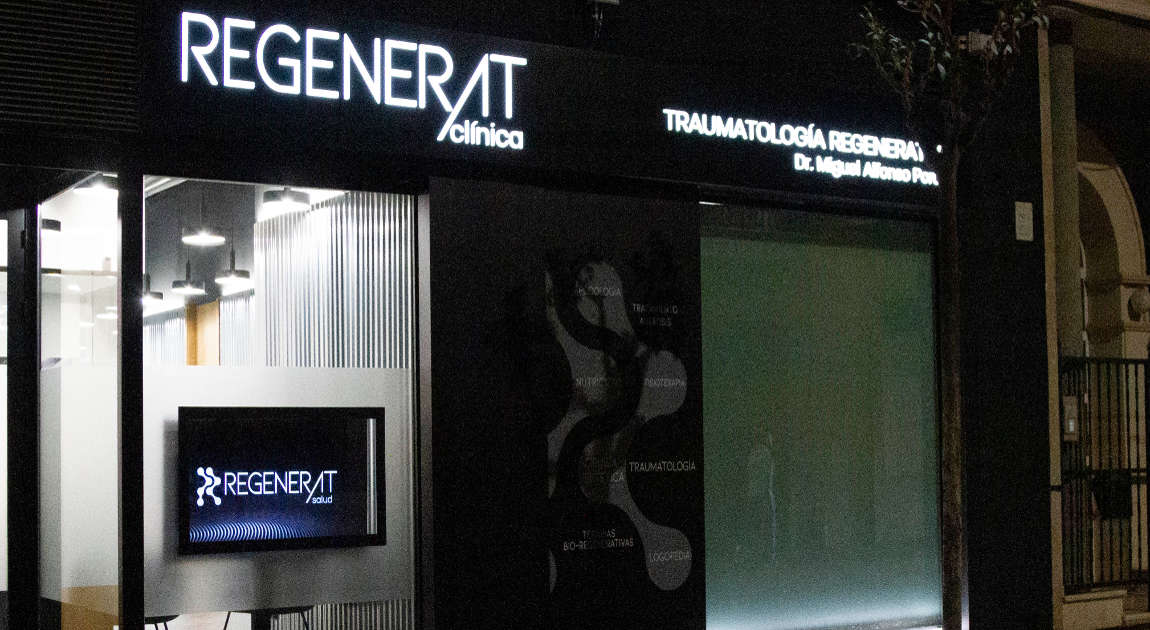
Book an assessment with our chondromalacia patellae specialists in Catarroja.
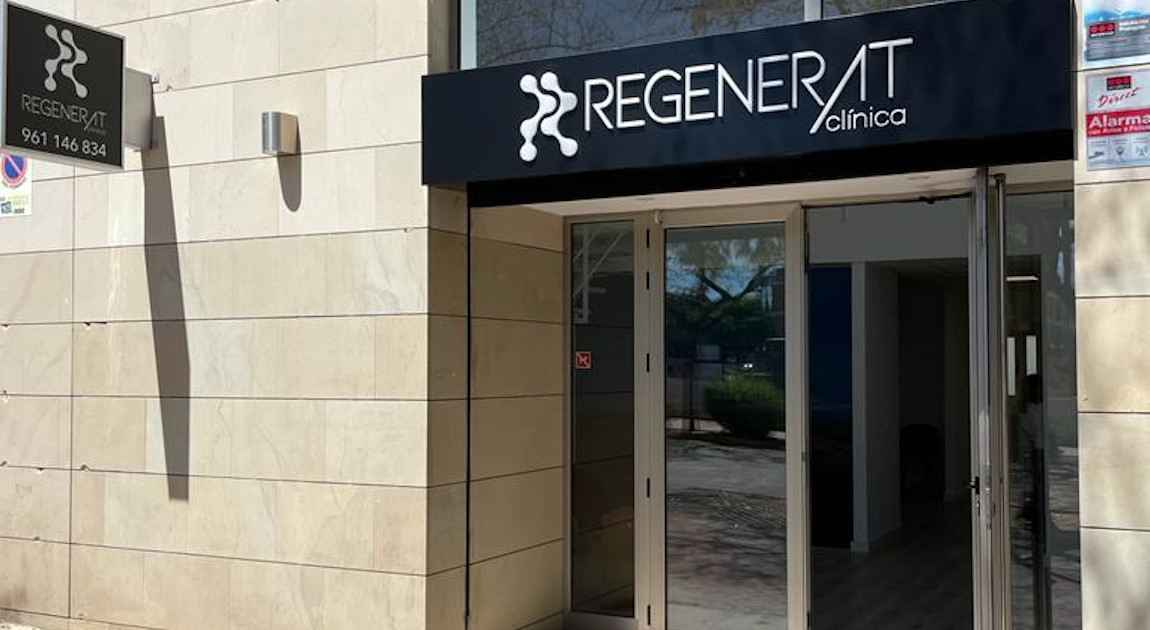
Book an assessment for patellar chondromalacia treatment in Torrent.
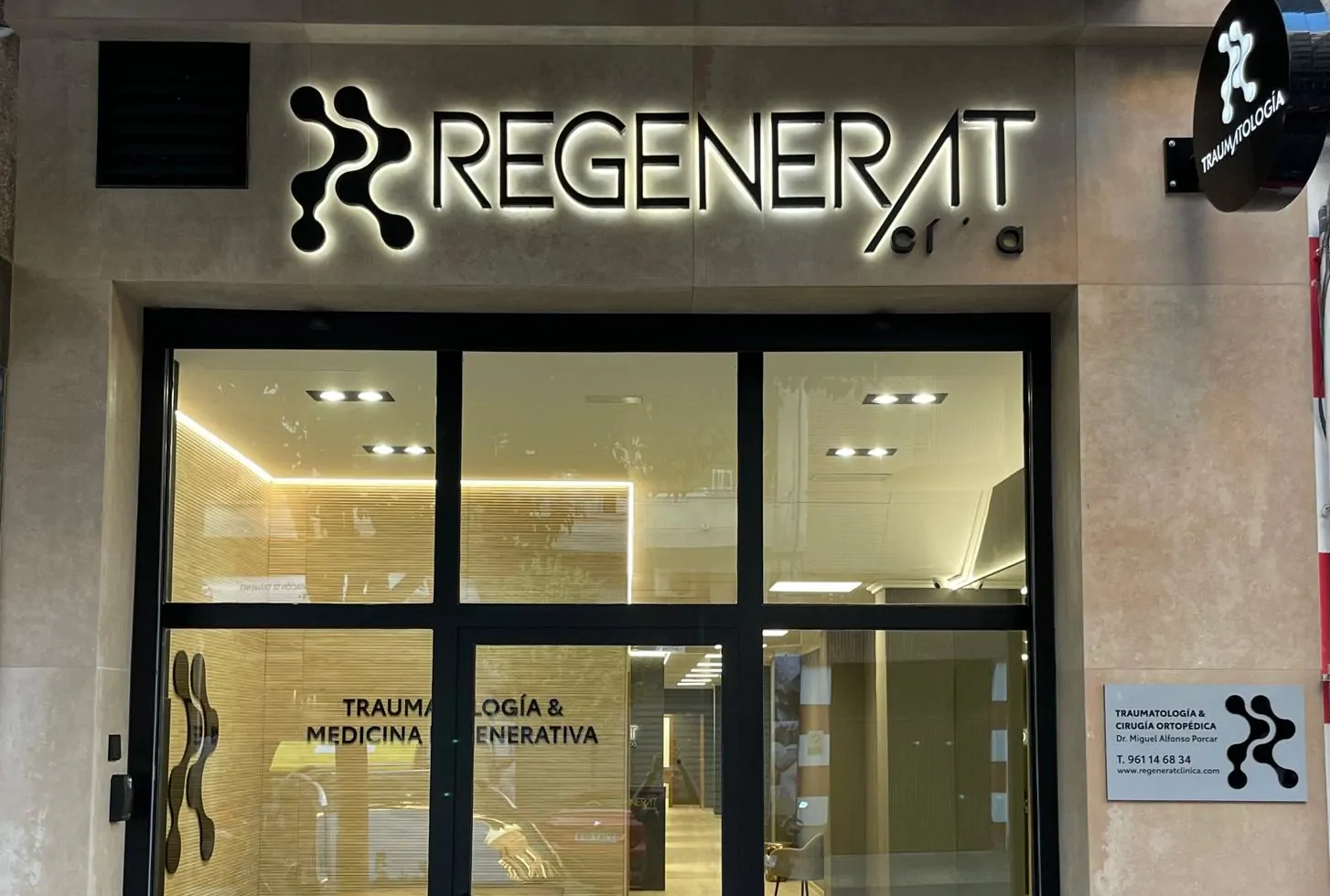
Book an assessment with our patellar cartilage specialists in Gandía. We also welcome patients seeking chondromalacia patellae treatment near Dénia and Jávea.
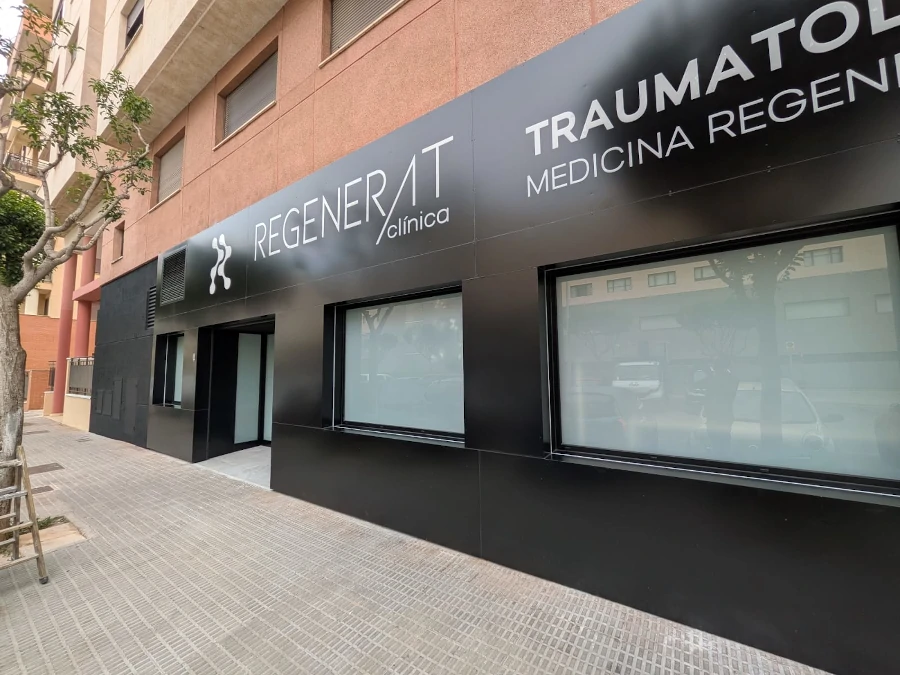
Book a personalised assessment at our orthopaedic clinic for chondromalacia patellae in Castellón.
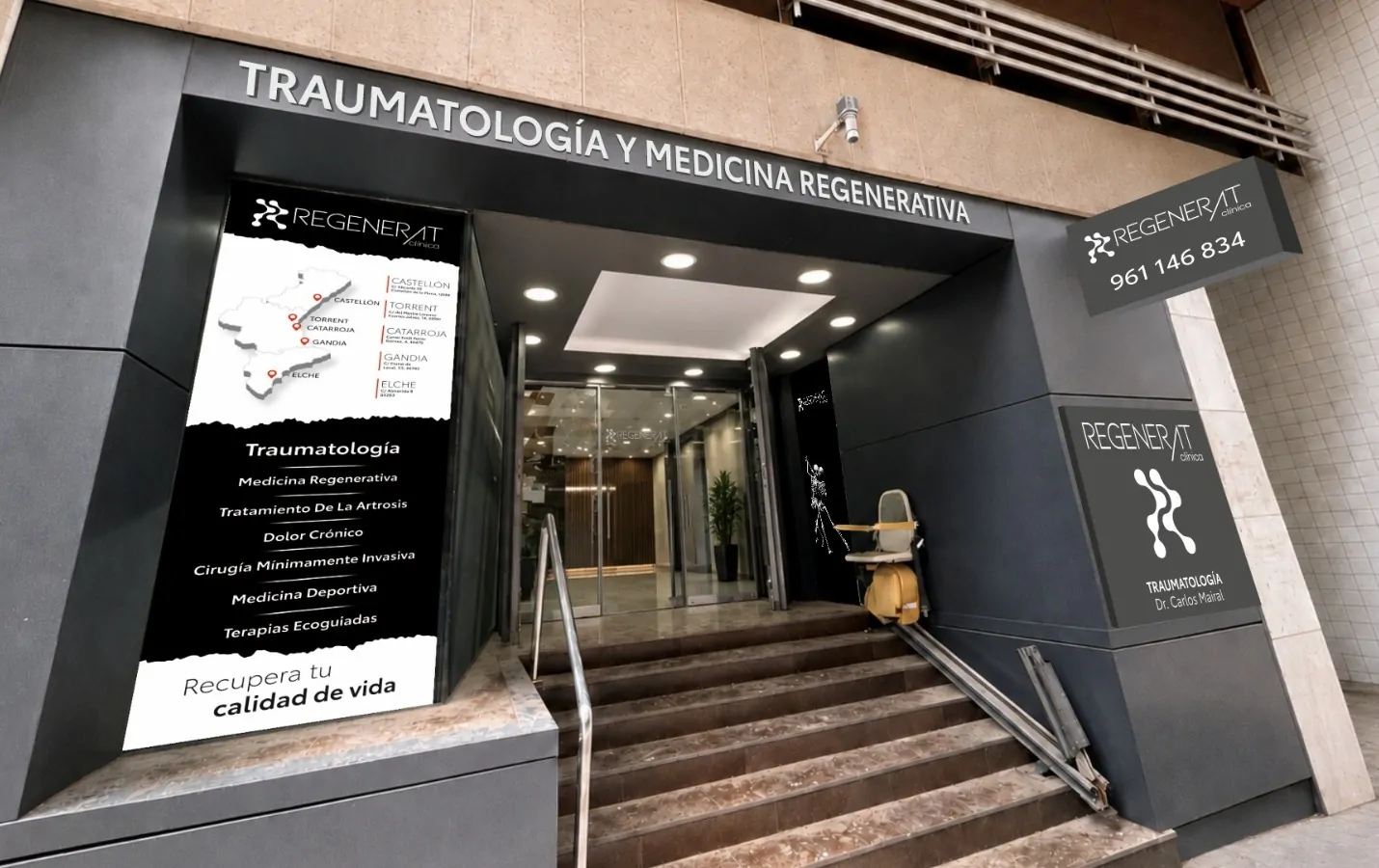
Book an assessment for chondromalacia patellae treatment in Elche. We also welcome patients from Torrevieja seeking specialist knee cartilage treatment.
Struggling with Chondromalacia Patellae? Explore Your Treatment Options and Book an Assessment
Tell us about your knee symptoms, your chondromalacia grade if known, which treatments you have already tried and which clinic you would prefer to visit. We will help you arrange a personalised orthopaedic assessment and explain the available treatment options, their potential benefits, limitations and costs. Our priority is to reduce knee pain, improve mobility and preserve joint function, considering conservative and minimally invasive treatments whenever medically appropriate.
Contact information
☎ 961 146 834
info@regeneratclinica.com
Schedule
Mornings – 9:30am – 14:00pm
Afternoons – 16:00pm – 20:00pm
Saturday & Sunday – Closed
Clínic in Catarroja
Traumatólogo en Catarroja en Carrer Emili Ferrer Gómez, 4, 46470 Catarroja
Clínic in Torrente
Traumatólogo en Torrente en C/ del Mestre Lorenzo Fuertes Julvez, 14, 46901, Torrente
Clínic in Gandía
Traumatólogo en Gandía C/ Ciutat de Laval, 23, 46702 Gandia, Valencia
Clínic in Castellón
Traumatólogo en Castellón Carrer d’Alacant, 39, 12004 Castelló de la Plana
Clínic in Elche
Traumatólogo en Elche C/ Almòrida, 8, 03203 Elx, Alicante

