
Radiofrequency Ablation for Back Pain: Lumbar and Cervical Rhizolysis
Specialist Orthopaedic and Spine Pain Clinics in Valencia, Alicante and Castellón
✓ Radiofrequency ablation for selected patients with chronic lower back pain or neck pain associated with suspected facet joint pain.
✓ Specialist assessment of lumbar and cervical rhizolysis, including diagnostic medial branch nerve blocks before radiofrequency treatment where indicated.
✓ Minimally invasive radiofrequency denervation using local anaesthesia, appropriate imaging guidance and sedation when required.
Are you experiencing persistent lower back or neck pain despite physiotherapy and other conservative treatments? At Regenerat Clínica, our orthopaedic specialists assess whether radiofrequency ablation or rhizolysis could help manage pain arising from the spinal facet joints. Contact us to review your symptoms, previous treatments and suitability for diagnostic nerve blocks.
Radiofrequency ablation for back pain, also known as radiofrequency rhizolysis or radiofrequency denervation, is a minimally invasive procedure that uses controlled heat to interrupt pain signals carried by selected sensory nerve branches supplying the spinal facet joints.
The treatment is primarily considered for selected patients with chronic mechanical back pain of suspected facet joint origin. It does not repair degenerative discs, decompress compressed nerve roots or reverse spinal osteoarthritis.
Could Radiofrequency Rhizolysis Help Relieve Your Chronic Back Pain?
Do you experience persistent lower back pain or neck pain that has not improved sufficiently with physiotherapy or medication?
Have you been diagnosed with lumbar or cervical facet joint osteoarthritis and want to know whether it is responsible for your symptoms?
Would you like to understand how radiofrequency ablation works and how long pain relief may last?
Are you looking for information about lumbar rhizolysis costs, recovery time and possible side effects?
Have you been advised to undergo a diagnostic medial branch block before considering radiofrequency denervation?
At Regenerat Clínica, our orthopaedic specialists assess patients with chronic lumbar and cervical pain to determine whether radiofrequency rhizolysis may be appropriate. Our approach combines clinical examination, review of previous investigations and diagnostic nerve blocks when indicated, with individualised treatment and rehabilitation planning.
Not all back pain originates from the facet joints. Symptoms may arise from muscles, discs, nerve roots, sacroiliac joints or other structures. Our specialists evaluate the possible source of pain before recommending an intervention.
For selected patients with suspected facet-mediated pain, diagnostic medial branch blocks can help establish whether the relevant nerves are contributing to symptoms. A positive response is an important prerequisite for lumbar facet radiofrequency denervation.
Where appropriate, lumbar or cervical rhizolysis is performed using a radiofrequency probe positioned near the targeted sensory nerve branches under procedural imaging guidance. Local anaesthesia and, when indicated, sedation are used to improve patient comfort.
Some patients experience meaningful pain relief lasting several months or longer, but outcomes vary and symptoms may return as the treated nerves recover. Radiofrequency treatment cannot guarantee permanent relief or replace nerve decompression when this is clinically necessary.
Regenerat Clínica welcomes patients for specialist orthopaedic consultations at five locations in Catarroja, Torrent, Gandía, Castellón and Elche. The location of the radiofrequency procedure is confirmed individually.
Book an Appointment

Specialists in lumbar, cervical and facet rhizolysis in Valencia
I am Miguel Alfonso Porcar, a recognised specialist in traumatology and orthopaedic surgery.
At Regenerat Clinic, we are leaders in the treatment of chronic back pain through radiofrequency rhizolysis.
Patients who undergo rhizolysis experience almost immediate pain relief, significantly reducing the need for analgesics.
There is little to no recovery time required.
Dr. Alfonso Porcar may recommend rhizolysis if you suffer from chronic back pain, particularly in the lumbar or cervical regions, after other conservative measures have failed.
What are the advantages of rhizolysis?
With rhizolysis, the surgeon can actually see the nerves causing the problem and treat them precisely.
Many patients treated with lumbar, cervical or facet radiofrequency experience more long-term relief than with other pain treatment options.
Rhizolysis is not recommended for patients with infections, pregnant women or patients with bleeding disorders.
Who benefits from lumbar or cervical rhizolysis?
Rhizolysis can relieve pain if you have inflamed facet joints.
The facet joints are the bony protrusions at the ends of the vertebral discs that join the vertebrae together so that you can bend, flex and rotate the spine.
- If you injure a facet joint in an accident, fall or collision, the soft tissue of the joint becomes inflamed and swollen, which irritates the nerves.
- If you have arthritis in the facet joints, the friction of bone on bone can also pinch and irritate the nerves.
Prior to undergoing rhizotomy, your spine traumatologist may recommend a medial branch block to reduce inflammation and pain.
The process of finding the nerves to be injected for the block also allows the physician to know which nerves should be treated during rhizolysis.
If medial branch block, facet joint injections or other therapies do not sufficiently reduce your back pain, your specialist may recommend rhizotomy.
What types of rhizolysis are there?
There are several types of rhizolysis, all of which involve the destruction of nerve fibres that carry pain signals.
Glycerin/Glycerol Rhizolysis
In this type of rhizotomy, the surgeon uses a needle to administer a small amount of a chemical substance (glycerin or glycerol) into the affected nerve root. The chemical destroys the painful nerve fibres within 45 to 60 minutes.
Radiofrequency Rhizolysis
Radiofrequency rhizolysis (also known as radiofrequency ablation) is similar to glycerin rhizolysis; however, instead of using a chemical to destroy the nerve fibres, a radiofrequency current is employed to burn the fibres.
This method is often used for patients who do not achieve complete relief with glycerin or for those who experience recurrent pain and may need assistance in overcoming scar tissue.
Before lumbar rhizolysis
Most patients receive intravenous sedation. In this case, you will be instructed not to eat or drink for a period of time before treatment.
You will also need a family member or friend to drive you home. Make sure your doctor knows all the medications you take and ask him or her which medications you should and should not take before the procedure.
Patients taking anticoagulants or aspirin may need to temporarily discontinue these medications.
How is radiofrequency ablation performed?
A rhizolysis lasts between 30 minutes and one hour.
You will be awake during the procedure so you can report to the doctor, but if you have been given a mild sedative, you will be comfortable. Most patients feel pressure but do not experience pain during rhizolysis.
- We will numb the surgical area with local anesthesia.
- Using an X-ray machine or an ultrasound machine, we will introduce a tiny needle through the skin until it is correctly positioned at the tip of the nerve where the pain originates.
- We will inject you with an anesthetic and then transmit a radiofrequency current to the tip of the needle to precisely burn the nerve root.
- This procedure will be repeated at any other nerve site if there is more than one site producing pain.
Once the rhizolysis is finished, we remove the needle and place a small dressing. Stitches are not necessary.
Recovery following lumbar or cervical rhizolysis
After rhizolysis, patients can return to work and normal activities the next day, but should avoid any strenuous activity or heavy lifting for one or two days.
You may shower, but you should avoid bathing, swimming or soaking in a hot tub for the next 24 hours.
Some patients experience mild discomfort, bruising, pain or swelling after treatment.
The discomfort may last from a few days to a couple of weeks. An ice pack and an over-the-counter pain reliever are usually sufficient.
Patients who have undergone rhizolysis can expect their previous pain levels to gradually improve after the procedure.
Full recovery and maximum pain relief may take a couple of weeks.
Risks and side effects of lumbar, cervical or facet rhizolysis.
Radiofrequency rhizolysis is a safe procedure.
Side effects and complications are rare. If you experience any of these symptoms, please contact us:
- Dizziness or weakness.
- Fever, chills, nausea or vomiting.
- Redness, swelling, bleeding or oozing at the injection site.
- Numbness lasting more than 2 or 3 hours.
Frequently asked questions about radiofrequency ablation (rhizolysis)
How long does the pain relief last?
It may vary from patient to patient. If successful, this procedure usually lasts nine to eighteen months. Six months is about the minimum time needed for the nerves to grow back.
In some patients, pain relief may be much more prolonged or even permanent.
If pain persists, radiofrequency ablation can be repeated (not before six months).
Does rhizolysis or radiofrequency ablation hurt?
Everyone will feel a“prick and burn” when the local anesthetic is injected.
Other than that, it is normal to feel pressure as the needle travels to the target. There may be a slight discomfort as the needle travels to the target.
What should I expect after radiofrequency ablation?
The response immediately after the procedure is variable. 10-20% of patients will experience increased pain, which usually disappears within two weeks.
Pain relief can take up to six weeks, which is the time required for the nerve to completely degenerate after ablation.
Ice and over-the-counter analgesics can be used for any increased pain after the procedure.
Does lumbar rhizolysis have side effects?
Lumbar rhizolysis can have several side effects.
Some of the most common include temporary pain at the injection site, increased pain during the first few days after treatment, and in rare cases, infection at the injection site.
There may also be a tingling sensation or weakness in the legs if nearby nerves are affected.
Although these side effects are usually temporary and manageable, it is important that patients discuss these risks with their physician before deciding on this treatment.
What happens if rhizolysis does not work?
Like most procedures, it does not offer a 100% success rate for 100% of the patients who undergo it.
A small percentage of people may not experience significant pain relief after rhizolysis.
And those who achieve the desired pain relief may experience a gradual return of pain over several years as the nerve grows back.
It is best to consult with your physician to determine if a second rhizolysis or other treatment will provide the most pain relief if pain recurs.
Depending on the source of your pain, other treatment options may include decompression surgery to remove or move aside the tissues pressing on the nerve.
Radiofrequency ablation for Back Pain: Patients’ Opinions
El trato en general, tanto del personal en recepción como de consulta, fue excelente. Tanto con nosotros como con el niño. El doctor Garrido nos atendió con puntualidad en la hora de la cita y nos dio toda la información que necesitábamos.


Elite athletes and sports professionals trust the specialists at Regenerat Clinic for their recovery! Join them.


Rhizolysis & Radiofrequency Ablation FAQs
What is rhizolysis or radiofrequency ablation for back pain?
Rhizolysis, also known as radiofrequency ablation or radiofrequency denervation, is a minimally invasive procedure used to manage certain types of chronic back or neck pain.
It uses controlled heat to interrupt pain signals carried by specific sensory nerve branches, particularly those supplying the spinal facet joints.
The procedure may be considered when conservative treatments have not provided sufficient relief and diagnostic testing supports a facet joint source of pain.
Radiofrequency ablation does not repair damaged discs or permanently cure spinal degeneration.
Is radiofrequency ablation effective for chronic lower back pain?
Radiofrequency ablation can provide meaningful pain relief for selected patients with chronic lower back pain arising from the lumbar facet joints.
However, it is not effective for every type of back pain. Treatment outcomes depend on accurate patient selection, diagnostic nerve blocks, procedural technique and individual factors.
Some patients experience significant improvements in pain and daily activities, while others obtain limited or no relief.
How long does pain relief last after lumbar rhizolysis?
Pain relief after lumbar radiofrequency ablation often lasts approximately 12 months in patients who respond successfully, although the duration varies.
Some patients experience benefits lasting longer, while others obtain little or no improvement.
The treated sensory nerves may gradually recover, allowing pain signals to return.
Rhizolysis can sometimes be repeated following specialist reassessment, but there is no guarantee that subsequent procedures will achieve the same results.
How much does lumbar rhizolysis cost in Spain?
At Regenerat Clínica, the published price for lumbar rhizolysis performed in an operating theatre is €2,500.
The treatment uses radiofrequency energy to target selected sensory nerve branches associated with chronic facet joint pain.
Before booking, patients should confirm the current price and whether diagnostic medial branch blocks, anaesthesia, investigations and follow-up appointments are included.
For information about costs and appointments, contact Regenerat Clínica on +34 961 146 834 or via WhatsApp on +34 628 112 820.
What is the difference between lumbar and cervical rhizolysis?
Lumbar rhizolysis targets selected sensory nerve branches in the lower back, usually when pain is suspected to arise from lumbar facet joints.
Cervical rhizolysis targets comparable pain pathways in the neck and may be considered for selected patients with chronic cervical facet-mediated pain.
Both procedures use radiofrequency energy, but the anatomy, procedural technique and risk profile differ.
A specialist assessment is necessary to determine the likely source of pain and whether diagnostic blocks and radiofrequency treatment are appropriate.
Can radiofrequency ablation treat a herniated disc or sciatica?
Radiofrequency facet denervation is not designed to repair a herniated disc or relieve direct compression of a spinal nerve root.
It is principally used to interrupt pain signals associated with selected spinal facet joints.
Sciatica caused by disc herniation or nerve compression may require different treatments, including rehabilitation, medication, selected spinal interventions or surgical decompression when indicated.
If back pain occurs alongside leg pain, numbness or weakness, the underlying cause should be assessed before recommending rhizolysis.
What is a medial branch block before radiofrequency ablation?
A medial branch block is a diagnostic injection of local anaesthetic near the small sensory nerves supplying the spinal facet joints.
Its purpose is to determine whether temporarily interrupting these nerve signals reduces the patient’s usual pain.
A meaningful improvement following the block supports the possibility that the targeted facet joints contribute to the symptoms.
For chronic lumbar facet-mediated pain, a positive diagnostic medial branch block is an important prerequisite before radiofrequency denervation under NICE guidance.
A positive block does not guarantee successful radiofrequency treatment.
Is radiofrequency ablation for back pain painful?
Radiofrequency ablation is usually performed using local anaesthesia, sometimes combined with light sedation.
Patients may experience temporary discomfort when local anaesthetic is administered or when the radiofrequency needle is positioned. Pressure, warmth or brief discomfort can occur during the procedure.
At Regenerat Clínica, the published protocol describes a minimally invasive technique using procedural imaging guidance to help position the needle accurately.
Some soreness may also occur after treatment.
How long does a lumbar rhizolysis procedure take?
According to Regenerat Clínica’s published treatment information, lumbar rhizolysis generally takes approximately 30 to 60 minutes.
The exact duration depends on the number of nerve branches treated, the anatomical region and the individual procedure.
Radiofrequency ablation is usually performed as an outpatient intervention.
Afterwards, patients may require a period of observation, particularly when sedation has been administered.
You should arrange transport home if advised and follow all instructions concerning fasting, medication and recovery.
What is the recovery time after radiofrequency ablation for back pain?
Recovery following lumbar or cervical rhizolysis is generally relatively short, although individual experiences vary.
Some patients can return to light daily activities within one or two days. Temporary soreness, stiffness or an increase in pain may occur during the initial recovery period.
Your specialist may recommend avoiding strenuous exercise, heavy lifting and demanding physical activity for several days.
What are the risks and side effects of rhizolysis?
Common temporary effects include soreness at the needle site, bruising, stiffness and a transient increase in pain. Less common complications include infection, bleeding, altered skin sensation or irritation of nearby nerves.
Serious neurological complications are uncommon but possible, and risks vary depending on whether the procedure involves lumbar or cervical structures.
Before treatment, your specialist should review your medication, bleeding risk, medical history and potential contraindications.
Seek urgent medical attention if you experience new or progressive weakness, significant neurological symptoms, fever or severe worsening pain.
Can rhizolysis be repeated if back pain returns?
Radiofrequency rhizolysis may be repeated in selected patients when previous treatment provided meaningful relief and the same pain subsequently returns.
The sensory nerves targeted during treatment can recover over time, which may allow symptoms to recur.
However, repeat treatment should not be automatic.
Your specialist will review the duration and degree of previous improvement, current symptoms and whether another diagnosis or intervention should be considered.
Repeated procedures do not guarantee progressively longer pain relief.
Can radiofrequency ablation permanently cure facet joint osteoarthritis?
Radiofrequency ablation does not cure facet joint osteoarthritis or reverse degenerative changes in the spine.
Its purpose is to reduce pain signals transmitted through selected sensory nerve branches supplying the affected facet joints.
Some patients experience prolonged symptom improvement, but the treated nerves may recover and pain can return.
Rehabilitation, appropriate exercise and management of other contributing factors remain important components of long-term back pain care.
Where can I get radiofrequency ablation for back pain near me?
Regenerat Clínica provides specialist orthopaedic assessments for lumbar and cervical rhizolysis at five locations in Catarroja, Torrent, Gandía, Castellón and Elche.
We also welcome patients from Dénia, Jávea, Torrevieja, Vila-real, Burriana, Aldaia and Alaquàs.
Our specialists can assess chronic back or neck pain, review previous investigations and determine whether diagnostic nerve blocks or radiofrequency treatment should be considered.
The location where the procedure is performed will be confirmed during appointment scheduling.
To arrange an assessment, call +34 961 146 834 or contact us via WhatsApp on +34 628 112 820.
The price of lumbar rhizolysis performed in our operating room for the treatment of chronic back, lumbar and cervical pain is 2500 Euros.
Patients who undergo lumbar rhizolysis receive almost immediate pain relief, so the need for analgesics is usually eliminated or considerably reduced.
We finance your treatments in a fast and secure way.
If you wish, we offer immediate financing up to 1000 € interest free or 100% of the treatment in 48 months.
Contact us to find out which is the best option for you.
Radiofrequency Ablation and Rhizolysis in Valencia, Castellón and Alicante
Specialists in Lumbar and Cervical Radiofrequency Denervation for Chronic Facet Joint Pain
At Regenerat Clínica, our orthopaedic specialists assess patients considering radiofrequency ablation for back pain, including lumbar and cervical rhizolysis. This minimally invasive procedure targets selected sensory nerve branches involved in transmitting pain from the spinal facet joints. It may be appropriate for certain patients with persistent mechanical back or neck pain when conservative treatment has provided insufficient relief.
Our approach begins with a clinical examination, review of previous treatments and assessment of the likely source of pain. For suspected lumbar facet-mediated pain, diagnostic medial branch blocks are used to help establish suitability before radiofrequency denervation. Our specialists also consider physiotherapy, structured rehabilitation, medication and other appropriate interventions. Radiofrequency rhizolysis does not decompress compressed nerve roots or repair damaged intervertebral discs.
Regenerat Clínica welcomes patients at five locations in Catarroja, Torrent, Gandía, Castellón and Elche. We also provide specialist consultations for patients from Aldaia, Alaquàs, Dénia, Jávea, Vila-real, Burriana and Torrevieja seeking assessment of chronic back pain, cervical pain and possible radiofrequency treatment. The location of any interventional procedure is confirmed individually.
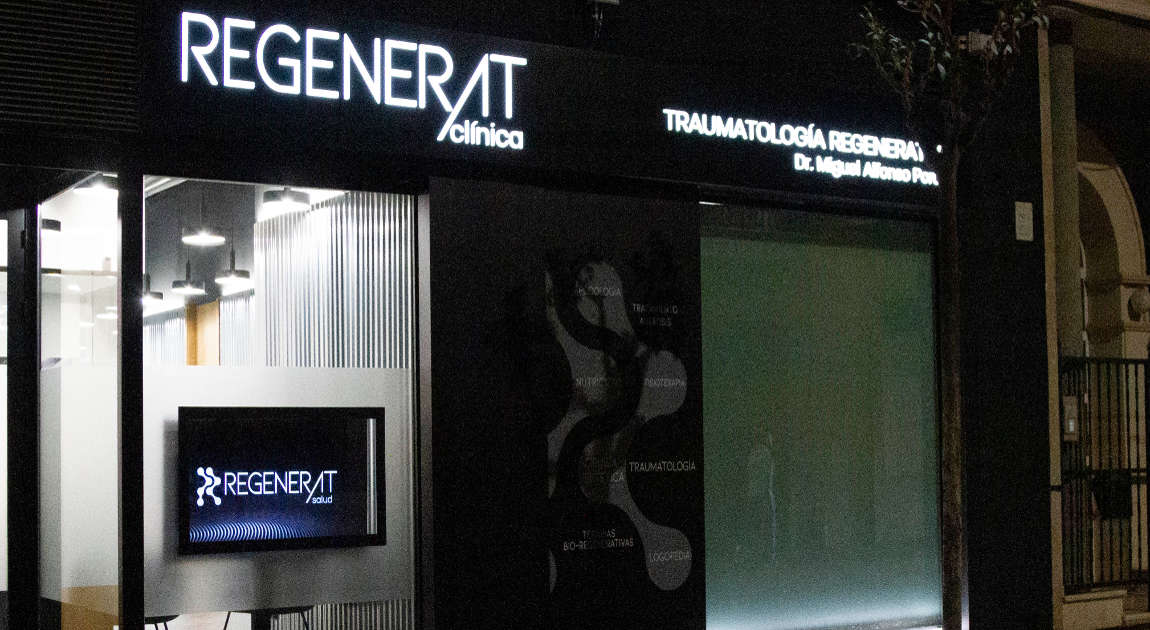
At our Catarroja orthopaedic clinic for lumbar rhizolysis assessments, we evaluate patients with persistent lower back pain, cervical pain and suspected facet joint disorders. Our specialists assess whether diagnostic medial branch blocks and radiofrequency ablation may be appropriate after conservative treatment.
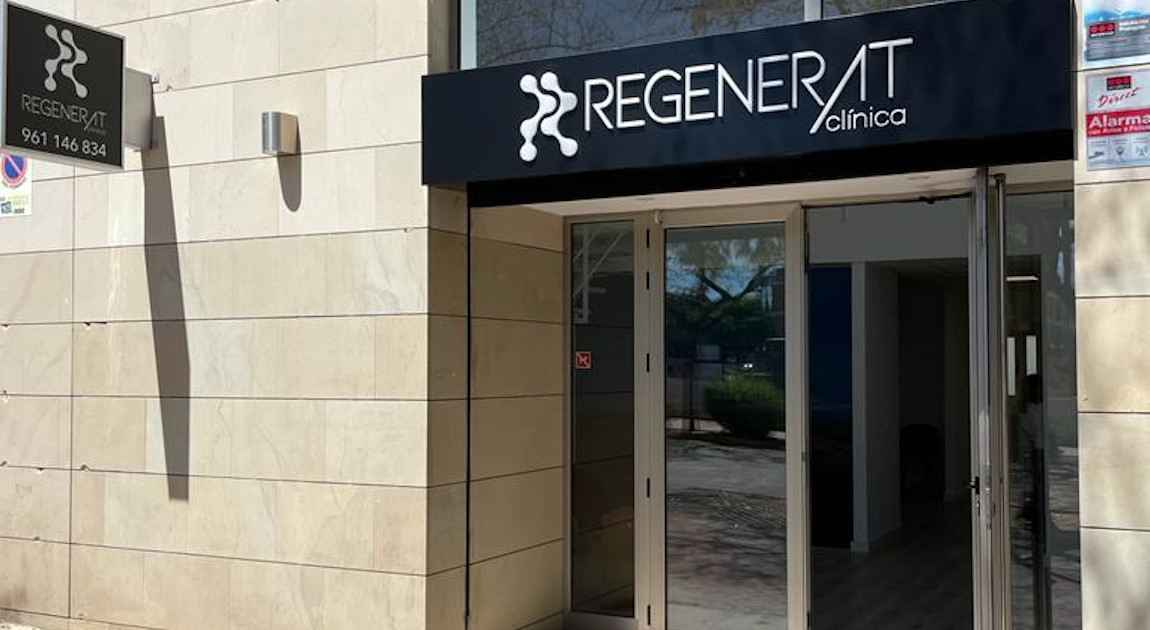
Our Torrent clinic for radiofrequency back pain consultations provides specialist assessments for chronic lumbar and cervical pain. We also welcome patients from Aldaia and Alaquàs who wish to explore facet joint radiofrequency denervation, diagnostic nerve blocks and personalised approaches to managing persistent spinal pain.
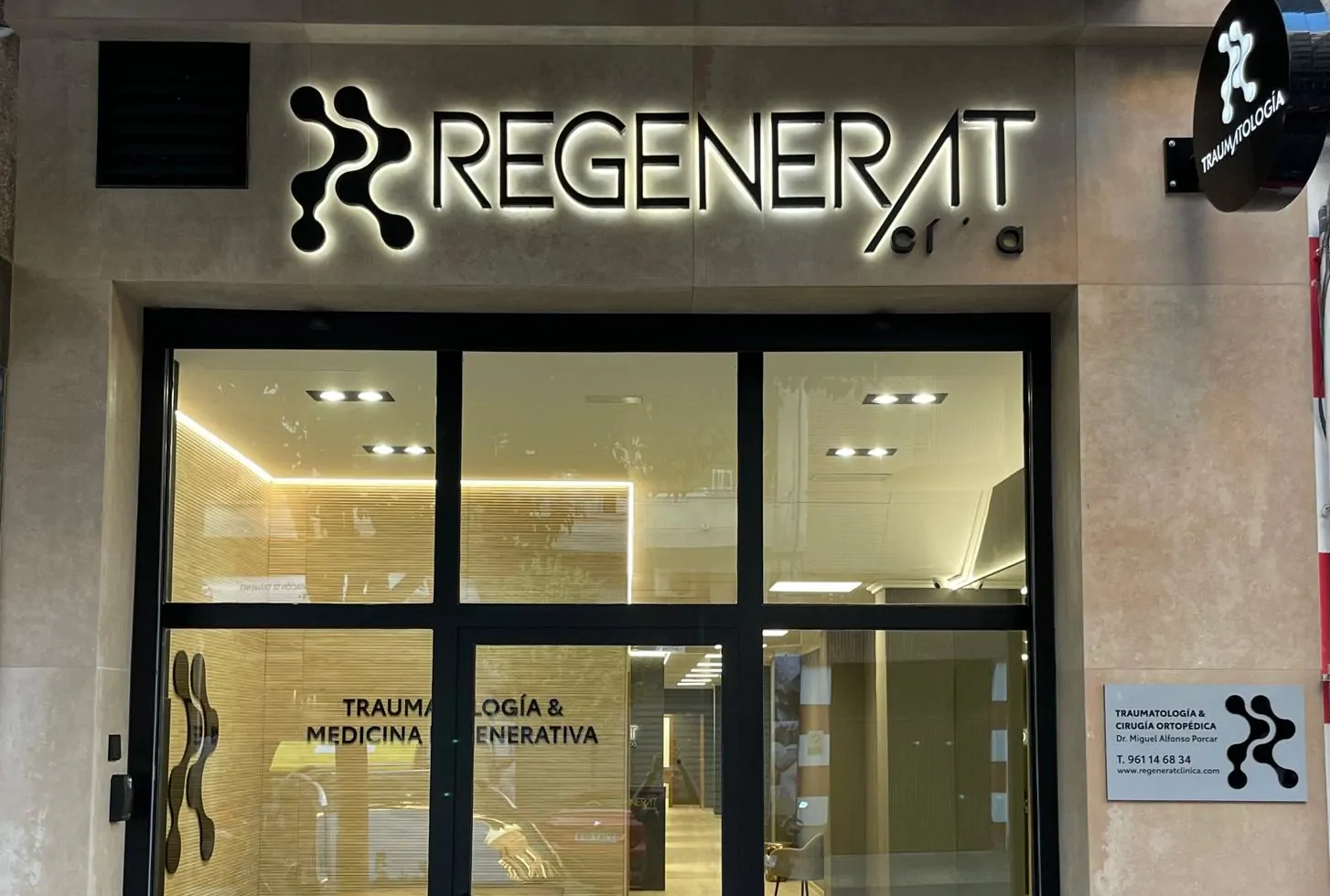
At our Gandía clinic for cervical and lumbar rhizolysis advice, we assess chronic back and neck pain, including possible facet-mediated pain. We also welcome patients seeking radiofrequency ablation assessments from Dénia and Jávea, with individual evaluation of symptoms and previous treatments.
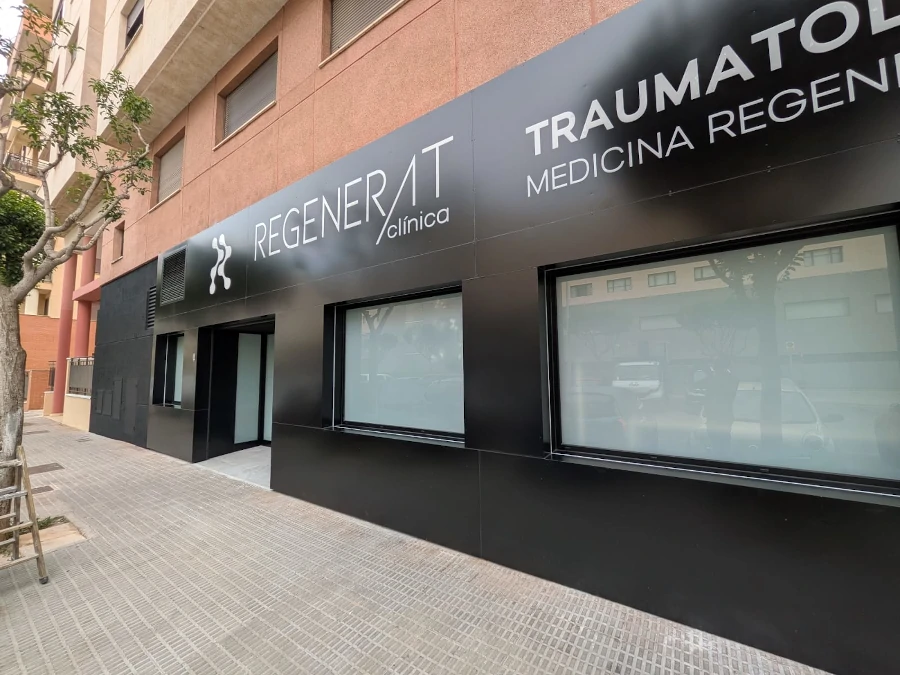
Our Castellón clinic for radiofrequency denervation assessments offers specialist advice for persistent lumbar and cervical pain. We also welcome patients seeking lumbar facet rhizolysis consultations from Vila-real and those interested in radiofrequency treatment for chronic back pain near Burriana.
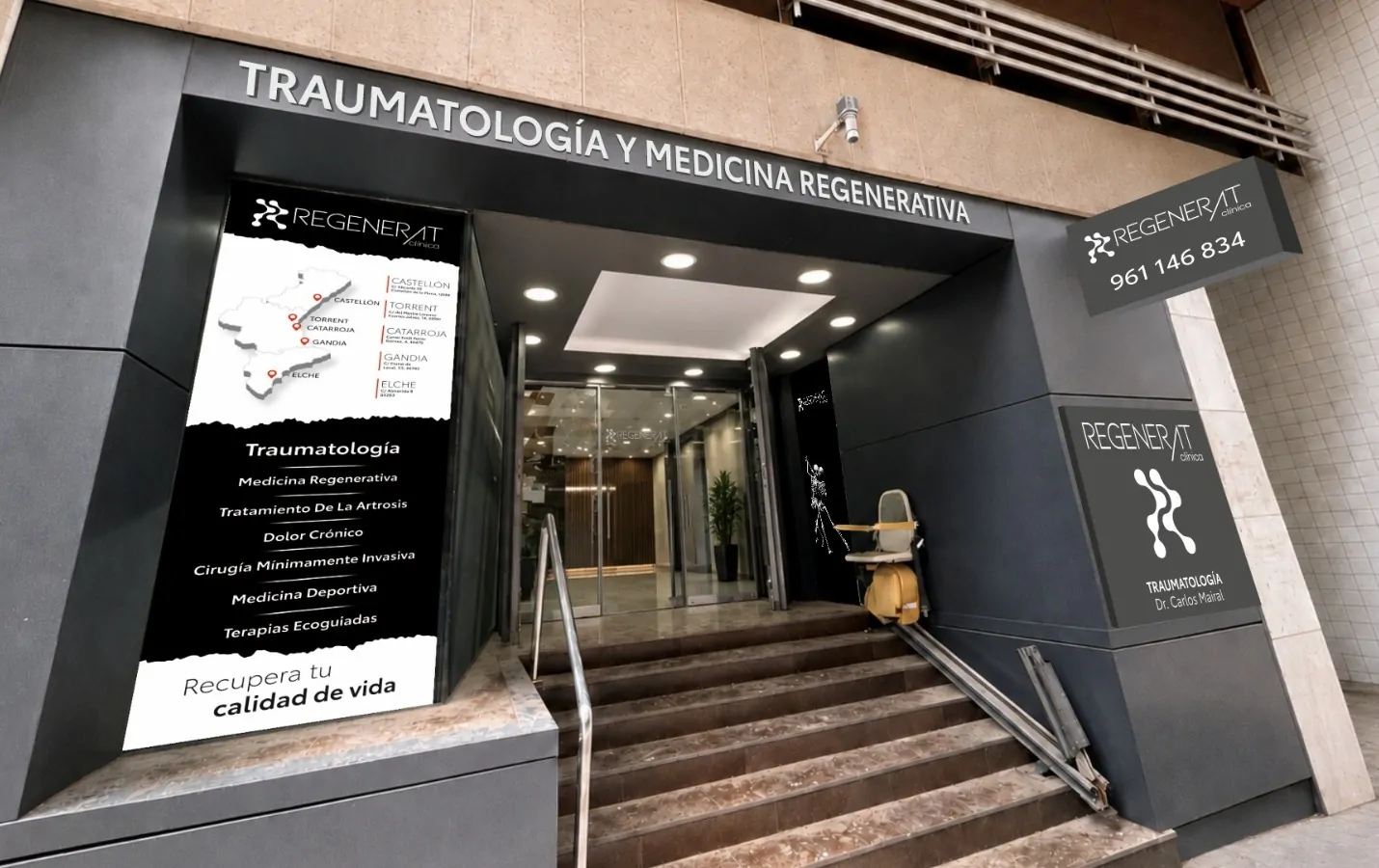
At our Elche orthopaedic clinic for facet joint pain assessments, our specialists evaluate chronic lower back and neck pain and explain the possible role of radiofrequency rhizolysis. We also welcome patients seeking lumbar and cervical radiofrequency ablation advice near Torrevieja, including assessment of diagnostic nerve blocks and treatment alternatives.
Book Your Radiofrequency Ablation and Rhizolysis Assessment
Are you experiencing chronic lower back or neck pain that limits walking, sleeping or daily activities? Our orthopaedic specialists can assess whether lumbar or cervical facet joint pain may be contributing to your symptoms and explain the potential role of diagnostic medial branch blocks and radiofrequency rhizolysis. We also evaluate conservative treatments and other appropriate interventions.
Contact us with details of your symptoms, previous physiotherapy, medication, spinal injections or nerve blocks, and any available X-rays or MRI scans. Tell us whether you prefer Catarroja, Torrent, Gandía, Castellón or Elche for your consultation. Our team can confirm the current published lumbar rhizolysis price of €2,500, discuss the procedure and arrange an appointment.
Regenerat clinic: III Wellness and Quality of Life Awards
Reference Center in Regenerative Therapies
The headquarters of the newspaper La Razón in Madrid hosted the gala ceremony of the third edition of the Wellness and Quality of Life Awards,
These awards recognize the work of companies and professionals who help to improve people’s lives.
The effort to change or improve aspects of our society is a task that requires dedication, creativity and innovation on the part of professionals and companies.
Today we celebrate the 3rd edition of the #WellnessQualityAwardsLR to reward and recognize them for it.
Regenerat clinica receives the “Center of reference in regenerative therapies” award.
Contact information
☎ 961 146 834
info@regeneratclinica.com
Schedule
Mornings – 9:30am – 14:00pm
Afternoons – 16:00pm – 20:00pm
Saturday & Sunday – Closed
Clínic in Catarroja
Traumatólogo en Catarroja en Carrer Emili Ferrer Gómez, 4, 46470 Catarroja
Clínic in Torrente
Traumatólogo en Torrente en C/ del Mestre Lorenzo Fuertes Julvez, 14, 46901, Torrente
Clínic in Gandía
Traumatólogo en Gandía C/ Ciutat de Laval, 23, 46702 Gandia, Valencia
Clínic in Castellón
Traumatólogo en Castellón Carrer d’Alacant, 39, 12004 Castelló de la Plana
Clínic in Elche
Traumatólogo en Elche C/ Almòrida, 8, 03203 Elx, Alicante

