
Frozen Shoulder Treatment: Regenerative Medicine and Non-Surgical Options
Specialist Orthopaedic and Regenerative Medicine Clinics in Valencia, Alicante and Castellón
✓ Specialist assessment of frozen shoulder and adhesive capsulitis
✓ Ultrasound-guided hydrodilatation, corticosteroid injections and platelet-rich plasma (PRP)
✓ Personalised treatment to reduce pain and restore shoulder mobility
Are you struggling with frozen shoulder, persistent pain or severe shoulder stiffness? At Regenerat Clínica, our orthopaedic and regenerative medicine specialists assess whether ultrasound-guided hydrodilatation, corticosteroid injections, platelet-rich plasma (PRP) or targeted rehabilitation may be appropriate for your condition. Tell us about your symptoms and explore personalised treatment options without surgery. Book your orthopaedic assessment.
Frozen shoulder (adhesive capsulitis) is a condition in which the capsule surrounding the shoulder joint becomes inflamed, thickened and stiff. It can cause persistent shoulder pain, severe stiffness, restricted movement and difficulty performing everyday activities, such as getting dressed, reaching overhead or sleeping comfortably.
Although frozen shoulder often improves gradually over time, recovery can take many months. Non-surgical and ultrasound-guided treatments may help manage pain and improve mobility, particularly when combined with appropriate rehabilitation.
Frozen Shoulder Treatment Without Surgery: Hydrodilatation and Regenerative Medicine
Have you been diagnosed with frozen shoulder or adhesive capsulitis and would like to explore alternatives to surgery?
Are you experiencing severe shoulder stiffness, persistent pain or difficulty lifting or rotating your arm?
Have you tried physiotherapy, medication or conventional treatments without achieving sufficient improvement?
Would you like to know whether ultrasound-guided hydrodilatation, corticosteroid injections or platelet-rich plasma (PRP) may be suitable for your condition?
At Regenerat Clínica, our orthopaedic and regenerative medicine specialists provide personalised assessments of frozen shoulder and adhesive capsulitis. We evaluate the stage of your condition, shoulder mobility and previous treatments to determine whether ultrasound-guided hydrodilatation, targeted injections, selected orthobiological therapies or physiotherapy may offer an appropriate non-surgical approach.
Our specialists combine clinical assessment, musculoskeletal ultrasound where appropriate and personalised treatment planning to identify the most suitable treatment for each patient.
Depending on the diagnosis, treatment may include targeted physiotherapy, ultrasound-guided hydrodilatation, corticosteroid injections and platelet-rich plasma (PRP) in selected cases. Hydrodilatation is designed to expand the joint capsule and may help improve movement, while injections may help manage pain and inflammation. Evidence supporting PRP specifically for frozen shoulder remains limited and its benefits are not guaranteed.
For patients with persistent adhesive capsulitis or severe restriction of shoulder movement, we assess whether additional interventional procedures or surgical treatment should be considered when appropriate conservative care has not provided sufficient improvement.
Our aim is to reduce shoulder pain, improve mobility and restore everyday function, prioritising personalised, minimally invasive treatment whenever medically appropriate.
We welcome patients seeking frozen shoulder treatment and regenerative medicine in Valencia, Alicante and Castellón, with consultations available at our clinics in Catarroja, Torrent, Gandía, Castellón de la Plana and Elche.
Book an Appointment

Specialists in Frozen Shoulder treatment: Hydrodilatation or Steroid Injections
I am Miguel Alfonso Porcar director of the clinic of traumatology Regenerat, and recognized specialist in the treatment of frozen shoulder or adhesive capsulitis in the shoulder, with bioregenerative therapies of platelet-rich plasma, growth factors, autologous serum…
Our goal is to determine the cause of your frozen shoulder.
We will perform the appropriate diagnostic tests to determine the extent of your shoulder pain injury.
We will apply the appropriate conservative, regenerative or orthopedic surgery trauma treatment to relieve your pain so that you can recover your well-being as soon as possible.
We want to help our patients using the safest, most successful, least invasive and most economical treatments possible!

English-Speaking Orthopedic Doctor for International Patients
Dr. Carlos Mairal, an orthopedic surgeon and trauma specialist in regenerative medicine, provides expert medical care in English for international patients.
He specializes in ultrasound-guided infiltrations using platelet-rich plasma (PRP) for the treatment of shoulder conditions such as tendinitis, rotator cuff tears, osteoarthritis, and frozen shoulder, promoting faster healing and long-lasting relief.
If you’re seeking advanced, non-surgical treatment for shoulder pain and prefer to communicate in English, Dr. Mairal offers personalized care in a professional and welcoming environment.
Book your appointment today and receive expert care from an English-speaking orthopedic doctor.

What is frozen shoulder?
Frozen shoulder is a condition in which the shoulder becomes painful and stiff.
It has a progression that becomes a vicious circle: as there is pain on mobility, it is restricted, and the less mobility the greater the stiffness.
Treatment, which includes analgesics and exercise, can help relieve symptoms.
The shoulder is a ball and socket joint. The ball of the upper arm bone (humerus) moves into the shallow socket at the edge of the shoulder blade (scapula). The entire joint is enclosed in a strong, fibrous capsule.
Frozen shoulder occurs when this capsule thickens, contracts and tightens more than it should.
For this reason, frozen shoulder is also known by the medical term “adhesive capsulitis”.

Causes of frozen shoulder
There is no known specific cause for adhesive capsulitis.
It is believed that it may be caused by inflammation of the shoulder joint and the capsule surrounding it.
There are known risk factors that can increase the probability of suffering from this pathology: smokers, hypertensive, obese, endocrine disease, …
Secondary frozen shoulder
Secondary frozen shoulder occurs when there is some previous damage to the shoulder, or you have a medical condition that makes this pathology more likely.
Frozen shoulder can sometimes develop if you have a shoulder injury, such as a rotator cuff injury.
On the other hand, it may occur if you have had to keep your shoulder immobile for a long time. For example, after a fracture or shoulder operation.
Symptoms of frozen shoulder
There are two main symptoms of frozen shoulder.
- A dull or stabbing pain in the affected shoulder, usually worse at night or when you move the shoulder.
- Stiffness around the shoulder joint that may prevent you from moving your shoulder normally. This makes it difficult to perform everyday tasks such as driving or dressing, among others.
If you have any of these symptoms, come to the Regenerat clinic and we will help you to eliminate your shoulder pain and recover your normal life as soon as possible.
Phases of shoulder capsulitis symptoms
Frozen shoulder develops in several phases, which may overlap.
- Painful or “freezing” phase. Gradually a pain will appear that worsens when moving the shoulder, which gradually becomes stiffer. This phase may last from two to nine months.
- Stiffness or “freezing” phase. Pain may subside, but moving the shoulder becomes more difficult, affecting daily activities. This phase may last up to a year.
- Resolution or “thawing” phase. Stiffness gradually decreases and most people recover completely. This phase may last up to three years.
If you think you have adhesive shoulder capsulitis or frozen shoulder, it is best to seek medical advice.
Diagnosis of frozen shoulder
Dr. Miguel Alfonso Porcar will review your symptoms, medical history and perform a physical evaluation of your shoulder to check range of motion, stability and joint strength.
- We will evaluate your shoulder by performing a series of physical tests to find out if it is a frozen shoulder or other similar injury.
- These tests can include both gentle movement of the arm (“passive movement”) and asking you to move it yourself (active movement) in different directions and positions. In this way, we will check to see if the range of motion of the shoulder has been reduced.
- Complementary tests such as simple radiography. It will provide us with indirect information, by ruling out or confirming another type of similar lesion in the same region.
- Additional tests are ultrasound, magnetic resonance imaging and computed tomography of the shoulder, which although not necessary for the diagnosis of adhesive capsulitis, help to rule out other shoulder pathologies.
Treatments for adhesive capsulitis of the shoulder (frozen shoulder)
How to deflate a shoulder capsulitis?
To relieve shoulder capsulitis, rest, ice and exercises under physiotherapeutic guidance are essential. PRP infiltrations promote healing, reduce inflammation and offer very substantial improvement. In severe cases, arthroscopic surgery may be considered.
Frozen shoulder usually improves on its own, but it may take several years to experience full recovery of the shoulder. Getting early treatment can provide early improvement and proper recovery of joint mobility.
The goals of any treatment are to reduce pain and increase shoulder motion.
- Analgesics and anti-inflammatory drugs: they are the first therapeutic step to alleviate the acute episode, when we do not yet know whether it is a frozen shoulder or an isolated pain.
- Support your arm with pillows while sleeping or sitting in a chair.
- Physiotherapy: it is an essential treatment for frozen shoulder; we emphasize exercises and manual therapy.
Treatment of shoulder capsulitis with steroid injection
If your frozen shoulder pain is severe and/or does not improve after the above treatments, Dr. Alfonso Porcar may suggest a joint injection from a wide range of treatments.
Hydrodilatation or ultrasound-guided hydrodissection.
We can perform this technique in uncontrolled cases and with time of evolution, always injecting under ultrasound control a large volume of liquid into the joint. In our case a combination of saline, corticosteroids and local anesthetic.
With this infiltration we manage to reduce inflammation of the capsule improving mobility.
It is a 20-minute, minimally invasive technique that is performed in our technique room at Clínica Regenerat.
Treatment of shoulder capsulitis with infiltration of Platelet Rich Plasma
PRP contains growth factors in a high concentration, which stimulate the normal biological healing response.
It is an effective procedure that is an alternative prior to arthroscopic surgery.
Patients treated with an intra-articular injection of PRP using ultrasound obtain a significant improvement in pain and improved range of motion. This allows them to return to their normal life and sports activities.
Platelet Rich Plasma (PRP) injection therapy is the treatment of choice prior to arthroscopic shoulder surgery, and helps many patients with subacromial pain who would otherwise have to undergo surgery.
Capsulitis shoulder: arthroscopic release operation
Most patients with frozen shoulder find that their symptoms eventually improve with previous treatments.
But if these have not had the expected effect after a few months, Dr. Miguel Alfonso may recommend one of the following procedures:
- Shoulder manipulation under anesthesia (MUA): while you are under general anesthesia, the surgeon forces your shoulder to perform movements that will stretch the tightened capsule and loosen scar tissues.
- Arthroscopic capsular release or arthroscopic arthrolysis: we perform a shoulder arthroscopy to explore the inside of the shoulder joint, usually under general anesthesia. The objective is to release or trim the tight areas of the capsule.
Why Regenerat Clinic to treat your adhesive capsulitis in Valencia?
Specialists in the treatment of frozen shoulder in Valencia
In the field of shoulder pain treatment, Regenerat clinic is your reference center.
State-of-the-art technology
We use ultrasound-guided techniques that facilitate diagnosis.
State-of-the-art, less invasive treatments that alleviate and in many cases eliminate adhesive capsulitis in Valencia, without the need for surgery, offering better health and quality of life.
Patient Testimonials
Our patients value our experience and multidisciplinary treatment for shoulder capuslitis, eliminating pain and recovering your activity after treatment.
Not Quite Ready to Book an Appointment?
If you think we can help, start by finding out whether you are a suitable candidate for treatment.
Take the first step. We’ll take care of the rest.
If you are experiencing pain and/or reduced mobility in your knee, hip, shoulder or other joints, our Regenerat clinics specialise in regenerative medicine treatments.
Our treatments aim to support the repair and regeneration of damaged or diseased cells and tissues, potentially delaying or, in some cases, avoiding surgical procedures such as arthroscopy or knee and hip replacement surgery.
Take the first step towards a more active life with less pain through Regenerative Medicine.
Tell us briefly about your symptoms, and we’ll help you understand the next steps.
If you prefer, discover the available treatment options, which conditions they may be suitable for and when it may be worth considering them.
Complete this form to download a guide covering the main regenerative medicine treatments we offer for different musculoskeletal conditions.
DOWNLOAD the Regenerative Medicine GUIDE that Alleviates your pain WITHOUT SURGERY!
"*" indicates required fields


Causes of shoulder pain that shoulder urgeons can treat
Causes related to shoulder pain include pathologies related to the humerus, clavicle and scapula bones, articular cartilage, ligaments, tendons and/or muscles of the region.
- Shoulder tendonitis: Resulting from inflammation of one of the tendons that form the rotator cuff.
- Rotator cuff tear: when inflammation is left untreated tendonitis can eventually lead to a torn cuff.
- Arthritis of shoulder: occurs when the cartilage in the joint wears down and causes pain, stiffness and swelling.
- Bursitis in shoulder: is inflammation of the fluid-filled sacs or bursae that cushion the shoulder. It is usually consequence of tendinitis.
- Frozen shoulder treatment: When the joint capsule thickens contracts and tightens more than it should. It is also called adhesive capsulitis.
- Shoulder sprain: it is an excessive stretching of the ligaments, very common and usually occurs when falling or performing an overexertion.
- Shoulder strain: is the stretching or tearing of a muscle and/or tendon (tissues that connect the muscle to the bone). It is frequent in people who practice sports sporadically.
- Dislocated shoulder: Shoulder dislocation is a serious injury involving a momentary loss of contact between the bones of the shoulder joint.
- Calcifications in the shoulder: appearance of small calcium deposits, usually in the supraspinatus tendon.
Frozen Shoulder Treatment Specialists in Valencia, Castellón and Alicante
Specialists in Adhesive Capsulitis, Regenerative Medicine and Ultrasound-Guided Treatments
At Regenerat Clínica, we assess frozen shoulder, adhesive capsulitis and persistent shoulder stiffness to establish an accurate diagnosis and determine the most appropriate treatment for each patient.
Our orthopaedic specialists evaluate shoulder pain, restricted mobility, joint capsule inflammation and functional limitations. We offer personalised treatment options, including ultrasound-guided hydrodilatation, corticosteroid injections, physiotherapy and selected regenerative medicine procedures such as PRP, where clinically appropriate.
We have five clinics in Catarroja, Torrent, Gandía, Castellón and Elche. We also welcome patients from surrounding areas, including Dénia, Jávea, Torrevieja, Vila-real, Burriana, Aldaia and Alaquàs.
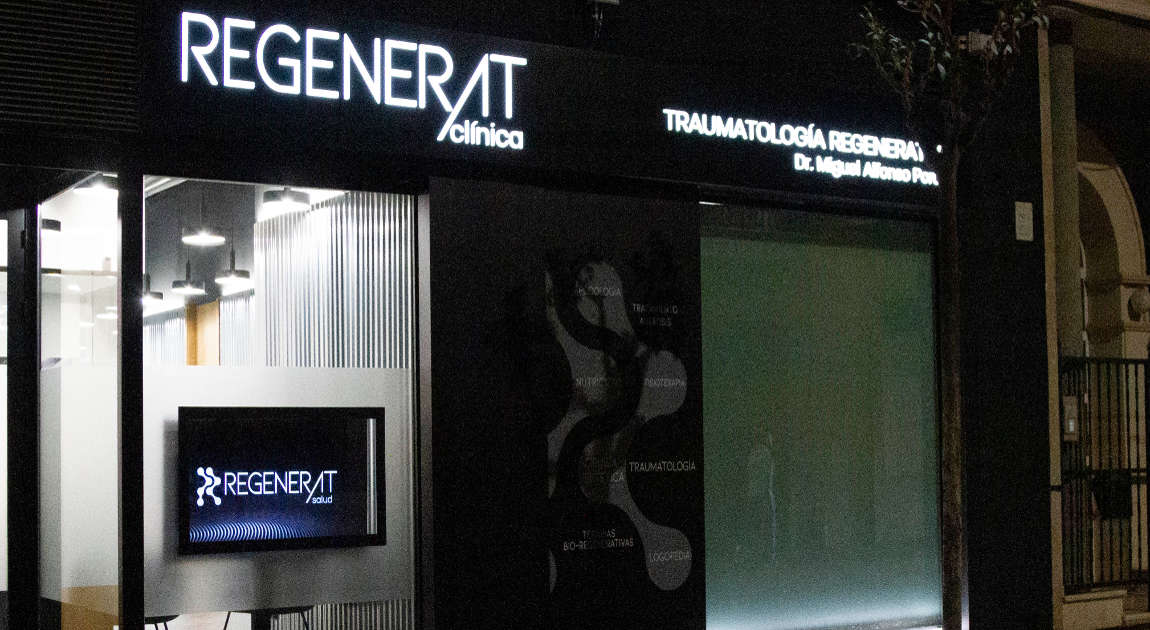
Book a personalised assessment with our frozen shoulder specialists in Catarroja. We assess adhesive capsulitis, shoulder stiffness and restricted mobility, considering ultrasound-guided hydrodilatation and other non-surgical treatments where appropriate.
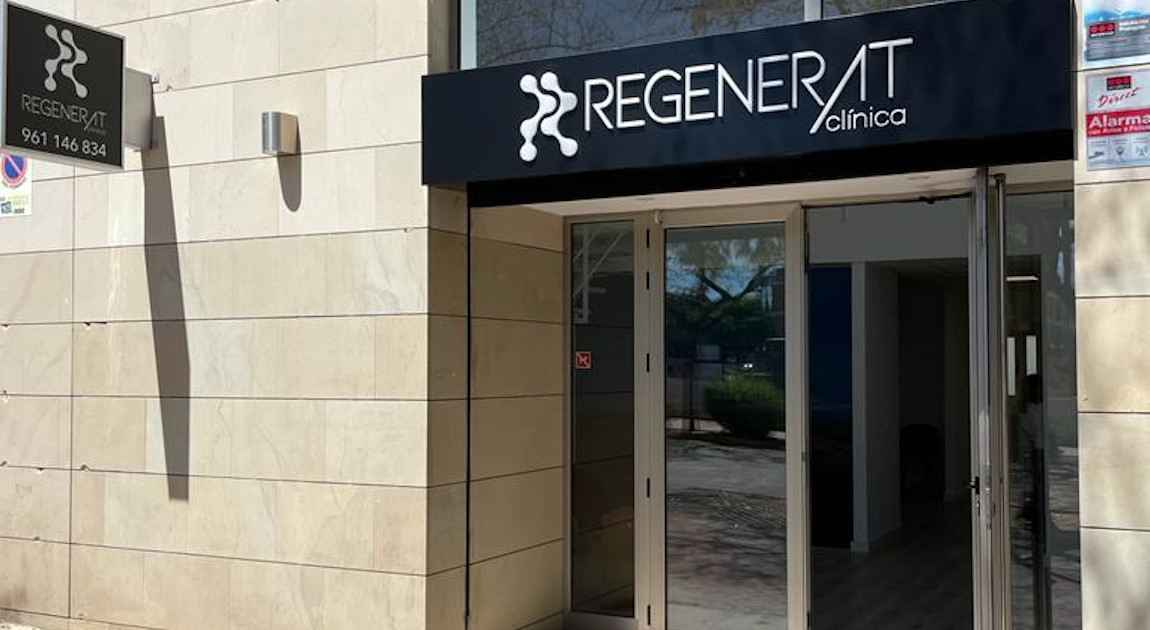
At our orthopaedic clinic for adhesive capsulitis in Torrent, we assess frozen shoulder, persistent pain and restricted movement. We also welcome patients from Aldaia, Alaquàs and nearby towns seeking specialist non-surgical shoulder treatment.
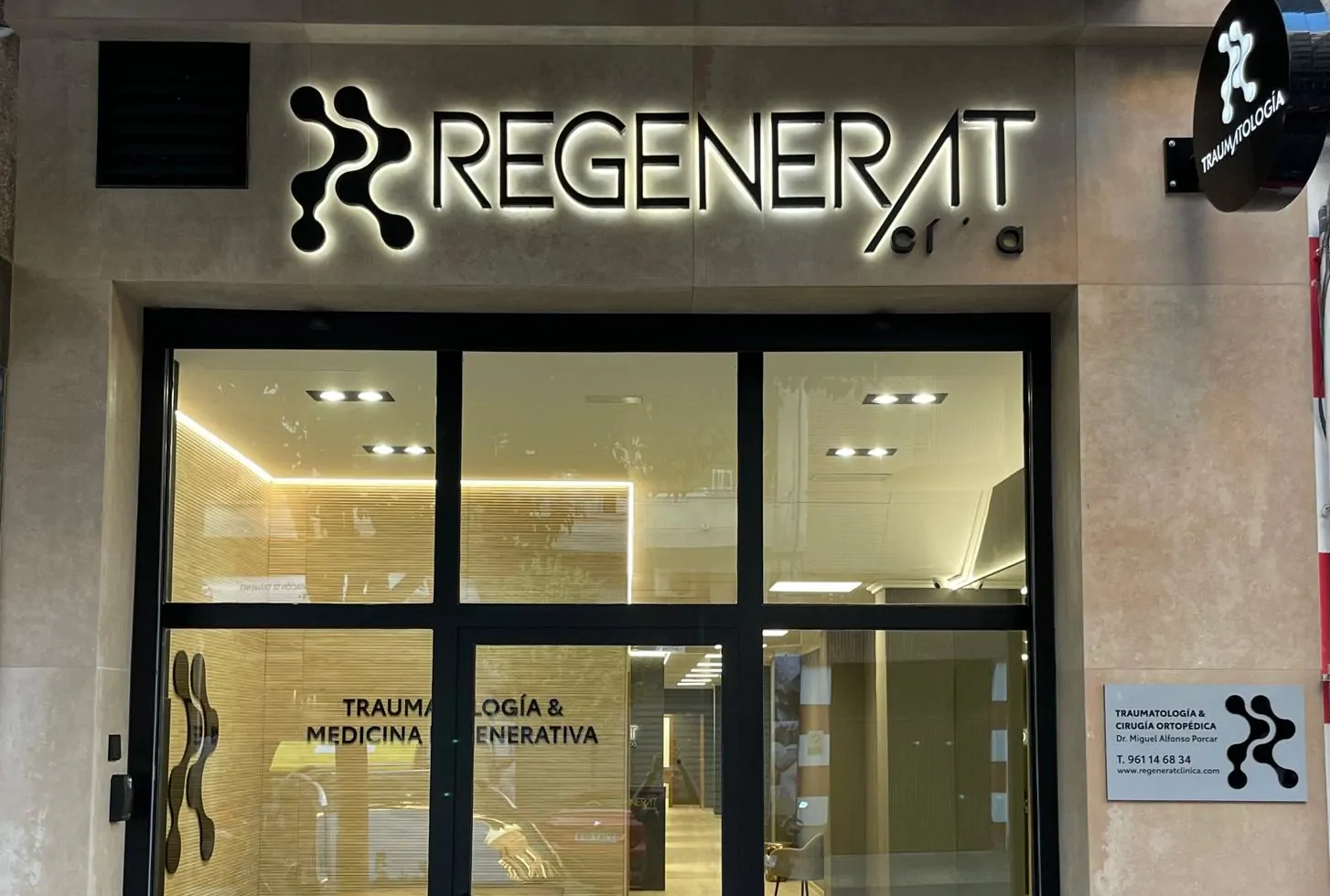
Book an assessment at our frozen shoulder treatment clinic in Gandía. We assess adhesive capsulitis and consider ultrasound-guided hydrodilatation and other treatments where clinically appropriate. We also welcome patients seeking specialist frozen shoulder care near Dénia and Jávea.
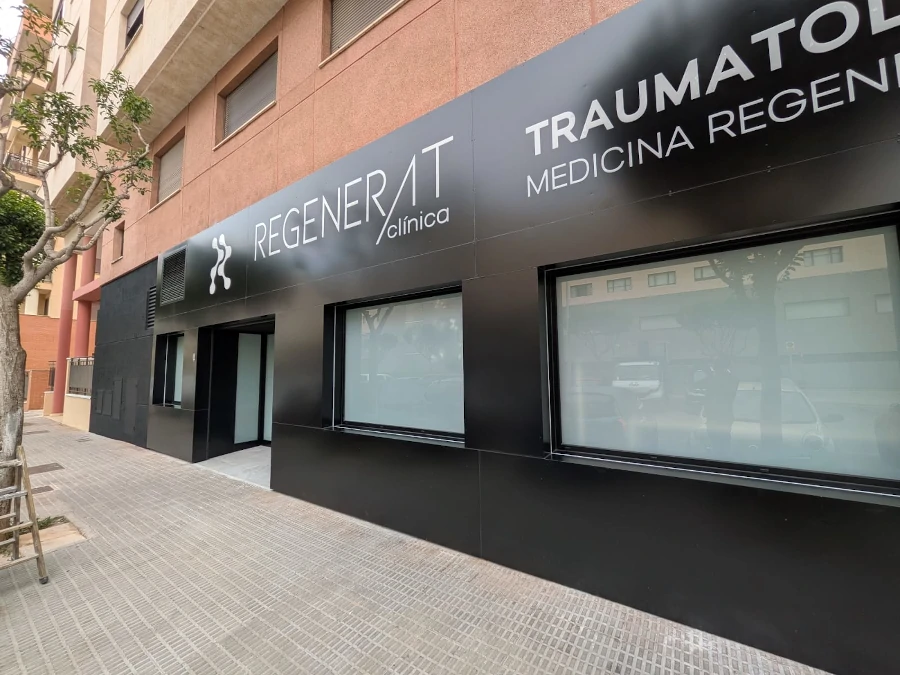
At our orthopaedic and regenerative medicine clinic in Castellón, we assess adhesive capsulitis, persistent shoulder pain and restricted mobility. We also welcome patients seeking frozen shoulder treatment near Vila-real and specialist shoulder care near Burriana.
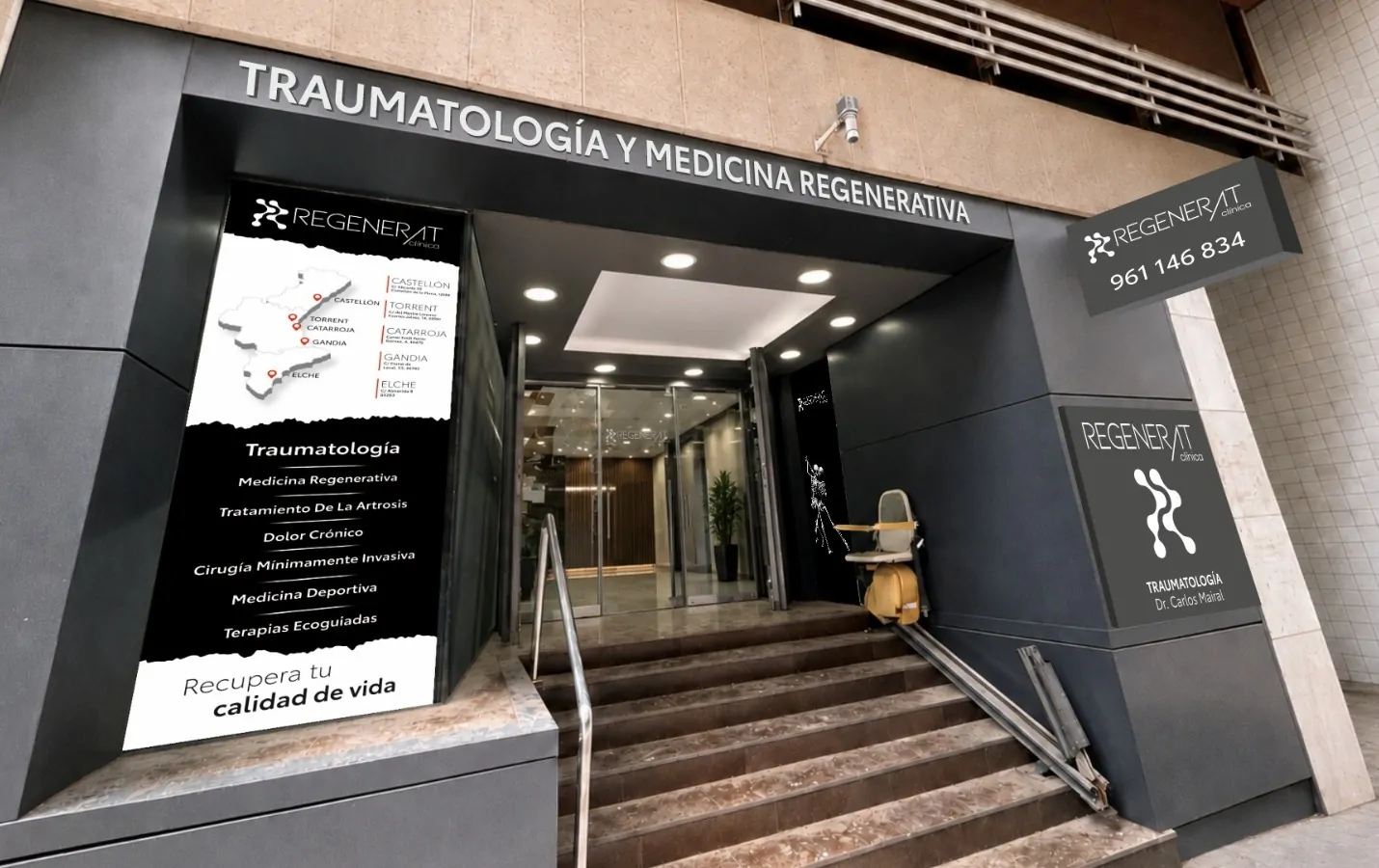
Book a personalised assessment with our frozen shoulder specialists in Elche. We assess adhesive capsulitis, shoulder stiffness and available non-surgical treatment options. We also welcome patients seeking frozen shoulder treatment near Torrevieja.
Struggling with Frozen Shoulder? Explore Hydrodilatation and Non-Surgical Treatment Options
Tell us how long you have been experiencing shoulder pain or stiffness, which movements are most difficult, what treatments you have already tried and which clinic you would prefer to visit. We will help you arrange a personalised orthopaedic assessment and explain the available treatment options, their potential benefits, limitations and costs. Take the first step towards improving shoulder mobility and returning to your everyday activities.
Contact information
☎ 961 146 834
info@regeneratclinica.com
Schedule
Mornings – 9:30am – 14:00pm
Afternoons – 16:00pm – 20:00pm
Saturday & Sunday – Closed
Clínic in Catarroja
Traumatólogo en Catarroja en Carrer Emili Ferrer Gómez, 4, 46470 Catarroja
Clínic in Torrente
Traumatólogo en Torrente en C/ del Mestre Lorenzo Fuertes Julvez, 14, 46901, Torrente
Clínic in Gandía
Traumatólogo en Gandía C/ Ciutat de Laval, 23, 46702 Gandia, Valencia
Clínic in Castellón
Traumatólogo en Castellón Carrer d’Alacant, 39, 12004 Castelló de la Plana
Clínic in Elche
Traumatólogo en Elche C/ Almòrida, 8, 03203 Elx, Alicante

